






¿Cómo vamos?

Preguntar y dar indicaciones, y hablar de viajes pasados

10 palabras1 puntos de gramática1 diálogos~15 min

Vocabulario10 palabras

bus: autobús
bus/bʌs/sustantivo
  • autobús · a large vehicle that carries many people

Ejemplos

I take the bus to work.

Voy al trabajo en autobús.

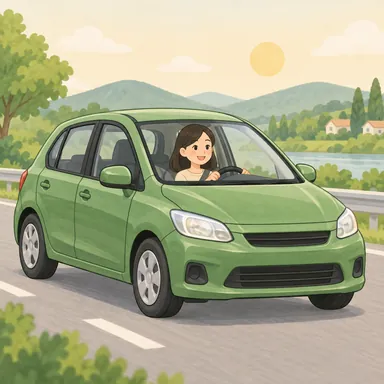
car: auto
car/kɑːr/sustantivo
  • auto · a vehicle with four wheels for a few people

Ejemplos

We go by car.

Vamos en auto.

bike: bicicleta
bike/baɪk/sustantivo
  • bicicleta · a vehicle with two wheels that you move with your feet

Ejemplos

She rides a bike to school.

Ella va a la escuela en bicicleta.

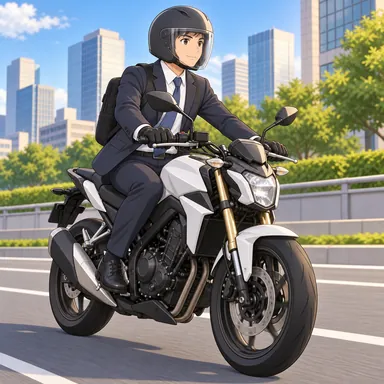
motorbike: moto
motorbike/ˈmoʊtərbaɪk/sustantivo
  • moto · a vehicle with two wheels and an engine

Ejemplos

Most people here ride a motorbike.

La mayoría de la gente aquí anda en moto.

taxi: taxi
taxi/ˈtæksi/sustantivo
  • taxi · a car you pay to take you somewhere

Ejemplos

Let us take a taxi.

Tomemos un taxi.

train: tren
train/treɪn/sustantivo
  • tren · a line of vehicles that runs on rails

Ejemplos

The train is late.

El tren va con retraso.

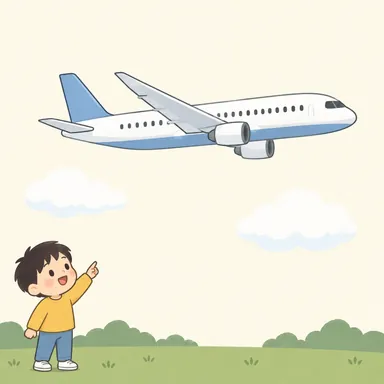
plane: avión
plane/pleɪn/sustantivo
  • avión · a machine with wings that flies

Ejemplos

The plane leaves at noon.

El avión sale al mediodía.

ticket: boleto, entrada
ticket/ˈtɪkɪt/sustantivo
  • boleto, entrada · a small piece of paper that lets you travel or enter

Ejemplos

Two tickets, please.

Dos boletos, por favor.

drive: manejar, conducir
drive/draɪv/verbo
  • manejar, conducir · to make a car go

Ejemplos

She drives to work.

Ella va al trabajo en auto.

stand: estar de pie, pararse
stand/stænd/verbo
  • estar de pie, pararse · to be on your feet

Ejemplos

Please stand near the door.

Por favor, párate cerca de la puerta.

Gramática

must y have to

S + must + V0 · S + have to / has to + V0

Los dos expresan obligación. must suele reflejar lo que el hablante considera necesario; have to, una norma externa. Ojo: mustn't significa «está prohibido», mientras que don't have to significa «no es obligatorio»: son ideas totalmente distintas. Errores comunes: mustn't es prohibición y don't have to es falta de obligación. Confundirlos hace entender la oración al revés.

I must finish this today.

Hoy tengo que terminar esto.

She has to work on Saturday.

El sábado ella tiene que trabajar.

You mustn't park here.

No se puede estacionar aquí.

You don't have to come early.

No tienes que venir temprano.

Diálogos

Elegir el transporte

Hablar de cómo ir a Da Nang

Hu
Huy

How do we go to Da Nang?

¿Cómo vamos a Da Nang?

Th
Thu

We must buy a train ticket early.

Tenemos que comprar temprano el boleto de tren.

Hu
Huy

Can we take a plane? It's faster.

¿Podemos tomar un avión? Es más rápido.

Th
Thu

You have to pay more. The bus is cheaper.

Tienes que pagar más. El autobús es más barato.

Hu
Huy

I can drive my car.

Puedo manejar mi auto.

Th
Thu

You mustn't drive at night. Take a taxi or a motorbike in the city.

No debes manejar de noche. En la ciudad toma un taxi o una moto.

Hu
Huy

Then I take my bike. I don't want to stand on the bus.

Entonces voy en mi bicicleta. No quiero ir de pie en el autobús.