






Alegre, triste, con miedo

Decir dónde te duele y contar cosas del pasado

11 palabras1 puntos de gramática1 diálogos~15 min

Vocabulario11 palabras

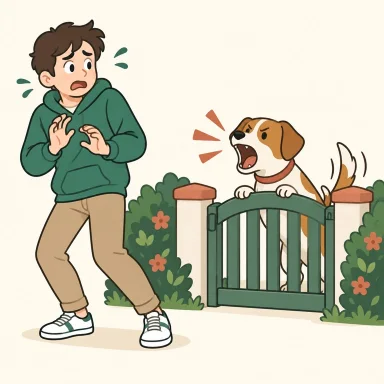
afraid: que tiene miedo
afraid/əˈfreɪd/adjetivo
  • que tiene miedo · feeling fear

Ejemplos

She is afraid of dogs.

Ella le tiene miedo a los perros.

funny: gracioso/a, divertido/a
funny/ˈfʌni/adjetivo
  • gracioso/a, divertido/a · making you laugh

Ejemplos

That film is very funny.

Esa película es muy divertida.

quiet: tranquilo/a, silencioso/a
quiet/ˈkwaɪət/adjetivo
  • tranquilo/a, silencioso/a · with little or no sound

Ejemplos

Please be quiet.

Por favor, guarda silencio.

laugh: reír, reírse
laugh/læf/verbo
  • reír, reírse · to make a sound because something is funnygh se pronuncia /f/

Ejemplos

Everybody laughed.

Todos se rieron.

smile: sonreír
smile/smaɪl/verbo
  • sonreír · to move your mouth to show you are happy

Ejemplos

She smiled at me.

Ella me sonrió.

dance: bailar
dance/dæns/verbo
  • bailar · to move your body to music

Ejemplos

They danced all night.

Bailaron toda la noche.

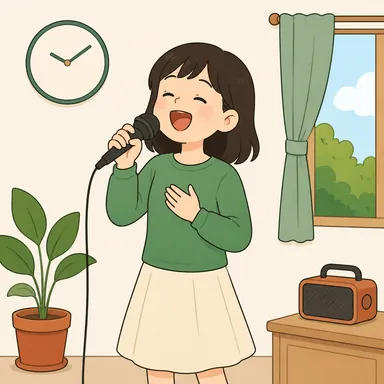
sing: cantar
sing/sɪŋ/verbo
  • cantar · to make music with your voice

Ejemplos

She sings in a band.

Ella canta en una banda.

story: historia, cuento
story/ˈstɔːri/sustantivo
  • historia, cuento · words that tell you what happened

Ejemplos

She told us a funny story.

Ella nos contó una historia divertida.

life: vida
life/laɪf/sustantivo
  • vida · the time a person is alive

Ejemplos

City life is busy.

La vida en la ciudad es agitada.

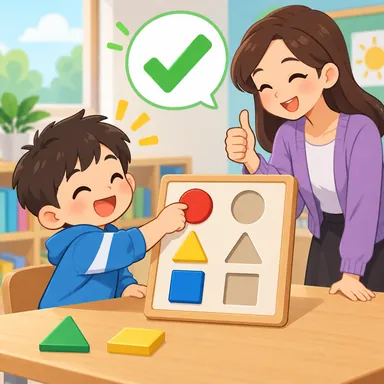
right: correcto/a
right/raɪt/adjetivo
  • 1.correcto/a · correct
  • 2.derecha · the side opposite the left

Ejemplos

That is the right answer.

Esa es la respuesta correcta.

You are right about the price.

Tienes razón sobre el precio.

Turn right at the bank.

Gira a la derecha en el banco.

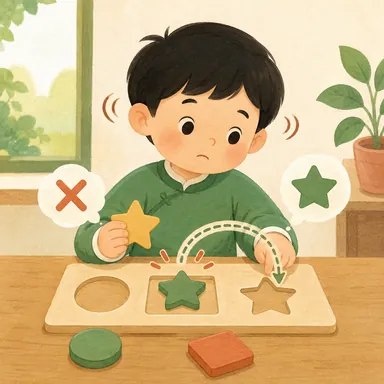
wrong: incorrecto/a, equivocado/a
wrong/rɔːŋ/adjetivo
  • incorrecto/a, equivocado/a · not correct

Ejemplos

I took the wrong bus.

Tomé el autobús equivocado.

Gramática

Pasado simple: verbos irregulares

S + V2

Los verbos más comunes no siguen la regla -ed y hay que aprenderlos uno por uno: go–went, have–had, do–did, see–saw, take–took, get–got, come–came, make–made, say–said, eat–ate. Errores comunes: goed ✗, went ✓. No hay atajo: hay que memorizar la lista.

I went to Hue last year.

El año pasado fui a Hue.

She had lunch at twelve.

Ella almorzó a las doce.

We saw a good film.

Vimos una buena película.

He came home very late.

Él llegó a casa muy tarde.

Diálogos

Contar la fiesta

Contar una noche divertida

An
Anna

How do you feel today?

¿Cómo te sientes hoy?

Ma
Mai

Much better. My brother was so funny last night.

Mucho mejor. Mi hermano estuvo muy gracioso anoche.

An
Anna

What happened?

¿Qué pasó?

Ma
Mai

He told a story and we all laughed.

Contó una historia y todos nos reímos.

An
Anna

Did you dance?

¿Bailaste?

Ma
Mai

We danced and my sister sang. I wasn't afraid to sing too.

Bailamos y mi hermana cantó. Yo tampoco tuve miedo de cantar.

An
Anna

And now the house is quiet.

Y ahora la casa está en silencio.

Ma
Mai

You're right, nothing was wrong. I still smile when I think about it. Life is good.

Tienes razón, no pasó nada malo. Todavía sonrío cuando lo recuerdo. La vida es buena.