



一つか、たくさんか

家族について話す、人を描写する、誰のものかを言う

12 語彙2 文法項目1 会話~18

語彙12 語

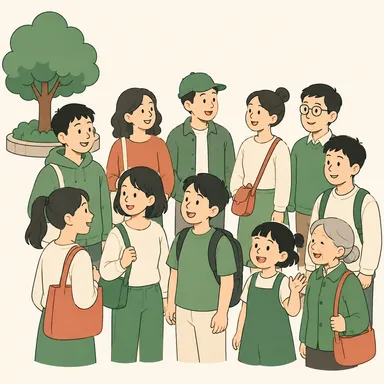
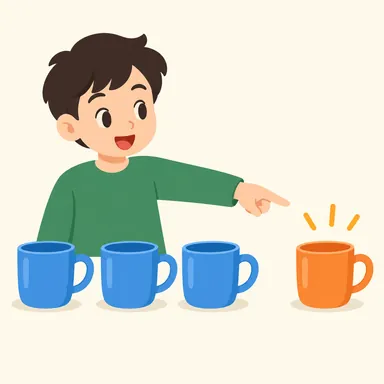
many: 多くの(数えられる名詞)
many/ˈmeni/限定詞
  • 多くの(数えられる名詞) · a large number of things you can count数えられるかどうかで many と much を使い分けます

例文

There are many people here.

ここにはたくさんの人がいます。

How many brothers do you have?

兄弟は何人いますか。

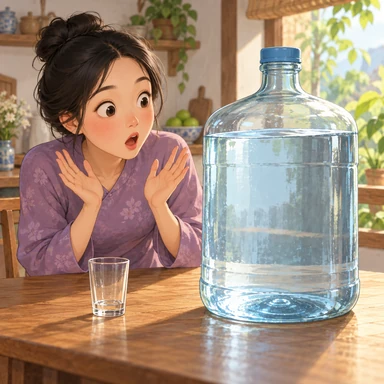
much: 多くの(数えられない名詞)
much/mʌtʃ/限定詞
  • 多くの(数えられない名詞) · a large amount you cannot count

例文

How much water do you drink?

どのくらい水を飲みますか。

There is not much time.

あまり時間がありません。

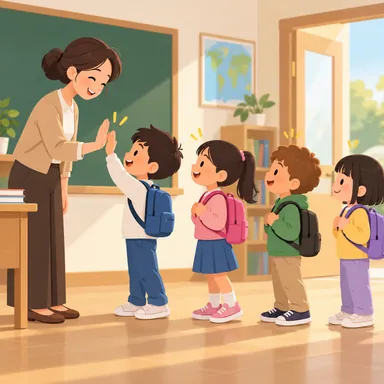
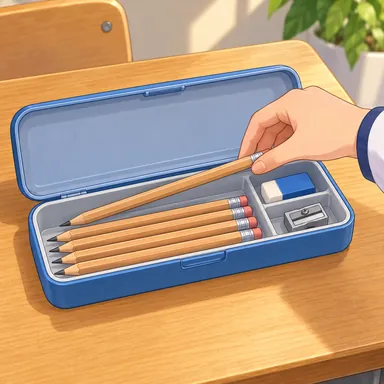
all: すべての
all/ɔːl/限定詞
  • すべての · every one of a group

例文

All the students are here.

学生は全員ここにいます。

every: 毎〜
every/ˈevri/限定詞
  • 毎〜 · each one of a group

例文

I run every morning.

私は毎朝走ります。

other: もう一方の
other/ˈʌðər/形容詞
  • もう一方の · different from the one you have

例文

Try the other door.

もう一方のドアを試してみて。

thing: もの
thing/θɪŋ/名詞
  • もの · an object you do not name

例文

Put your things here.

荷物をここに置いてください。

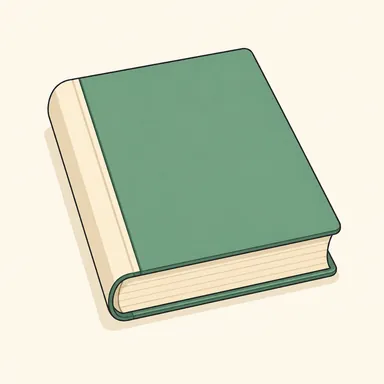
book: 予約する
book/bʊk/名詞
  • 1.予約する · pages with words, held together to read
  • 2. · to keep a seat or a room for later

例文

This book is interesting.

この本はおもしろいです。

Please book a table for four.

4人でテーブルを予約してください。

letter: 手紙
letter/ˈletər/名詞
  • 1.手紙 · a written message you send by post
  • 2.文字 · a sign such as a, b or c

例文

This letter is from my friend.

この手紙は友だちからです。

The word 'cat' has three letters.

cat という語は3文字です。

newspaper: 新聞
newspaper/ˈnuːzpeɪpər/名詞
  • 新聞 · printed pages with the news

例文

He reads a newspaper every morning.

彼は毎朝新聞を読みます。

box: 箱
box/bɑːks/名詞
  • · a container with flat sides

例文

The box is empty.

その箱は空です。

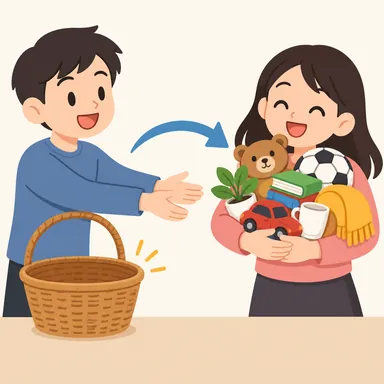
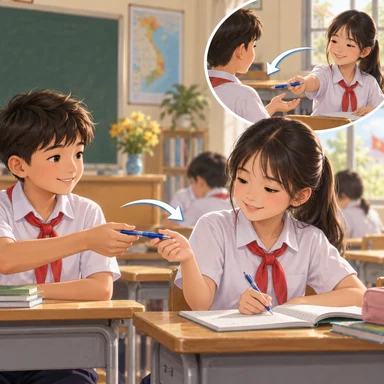
borrow: 借りる
borrow/ˈbɑːroʊ/動詞
  • 借りる · to take something from someone and give it back laterborrow は「借りる」、lend は「貸す」

例文

Can I borrow your pen?

ペンを貸してもらえますか。

Borrow a book from the library.

図書館で本を借りてください。

lend: 貸す
lend/lend/動詞
  • 貸す · to let someone use something and get it back later

例文

Can you lend me a pen?

ペンを貸してもらえますか。

Please lend me your pen.

ペンを貸してください。

文法

名詞の複数形

N + -s / -es / -ies

一つより多ければ、前に数があっても名詞の形を変えます。ふつうは -s を足し、-s、-sh、-ch、-x のあとは -es、子音 + y は -ies に変えます。不規則なものもあります: man–men、woman–women、child–children、foot–feet、person–people。 よくある誤り: 日本語話者が最も多くする誤りです。日本語は名詞に複数の印を付けないので(「本二冊」であって「本sを二冊」ではありません)、two book ✗、two books ✓ — 数があっても -s は必要です。

I have two brothers.

私には兄が二人います。

There are three buses.

バスが三台あります。

Six children are in the garden.

庭に子どもが六人います。

Many people live here.

たくさんの人がここに住んでいます。

there is / there are

There is + Nsg · There are + Npl

何がどこにあるかを言うときに使います。ここの there に「そこ」の意味はなく、形だけの主語です。すぐあとの名詞に合わせて is か are を選びます。 よくある誤り: 日本語は「あります」と言うので have に訳しがちです: Here have a book ✗、There is a book ✓。

There is a book on the table.

テーブルの上に本が一冊あります。

There are two hotels near here.

この近くにホテルが二軒あります。

Is there a bank near here?

この近くに銀行はありますか。

There isn't a bank here.

ここには銀行がありません。

詳細と演習を見る

会話

本棚を片づける

部屋の物を整理する

Tu
Tuan

How many books are in that box?

あの箱には本が何冊入っていますか。

An
Anna

All of them! There are twenty books.

全部です!二十冊あります。

Tu
Tuan

And the newspapers?

新聞は?

An
Anna

Every newspaper is old. Put them in the other box.

どの新聞も古いです。別の箱に入れてください。

Tu
Tuan

There are many letters here too.

ここには手紙もたくさんあります。

An
Anna

We don't have much time. Take all the boxes now.

あまり時間がありません。今すぐ箱を全部持っていってください。