







あの日に起きたこと

起きたことを語る、過去の長い出来事と短い出来事を区別する

11 語彙1 文法項目1 会話~15

語彙11 語

happen: 起こる
happen/ˈhæpən/動詞
  • 起こる · to take place

例文

What happened last night?

昨夜何があったのですか。

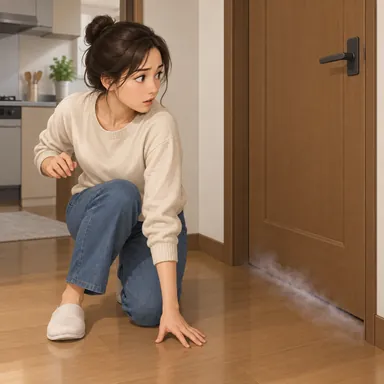
notice: 気づく
notice/ˈnoʊtɪs/動詞
  • 1.気づく · to see or become aware of something
  • 2.掲示、貼り紙 · a sign that tells people something

例文

Did you notice the new sign?

新しい表示に気づきましたか。

There is a notice on the door.

ドアに貼り紙があります。

realize: 気づく
realize/ˈriəlaɪz/動詞
  • 気づく · to understand something suddenly

例文

I did not realize it was so late.

そんなに遅いとは気づきませんでした。

seem: 〜のように見える
seem/siːm/動詞
  • 〜のように見える · to give the impression of being

例文

She seems very happy today.

彼女は今日とてもうれしそうです。

hold: 持つ
hold/hoʊld/動詞
  • 持つ · to have something in your hand

例文

Hold this bag for a moment.

このかばんをちょっと持っていてください。

catch: つかまえる
catch/kætʃ/動詞
  • 1.つかまえる · to take hold of something moving
  • 2.(バスや電車に)間に合う · to get on a bus or a train in time

例文

Catch the ball!

ボールを取って!

I must catch the last bus.

最終バスに間に合わなければなりません。

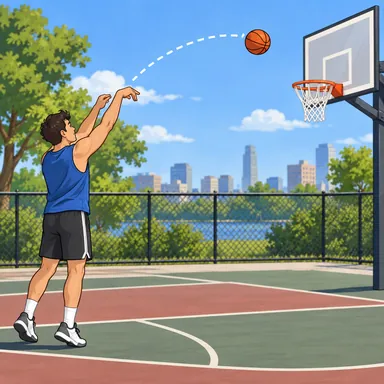
throw: 投げる
throw/θroʊ/動詞
  • 投げる · to send something through the air with your hand

例文

Do not throw rubbish here.

ここにごみを捨てないでください。

cut: 切る
cut/kʌt/動詞
  • 切る · to open or divide something with a knife

例文

Cut the bread into six pieces.

パンを六切れに切ってください。

pull: 引く
pull/pʊl/動詞
  • 引く · to move something towards you

例文

Pull this handle to open.

このハンドルを引いて開けてください。

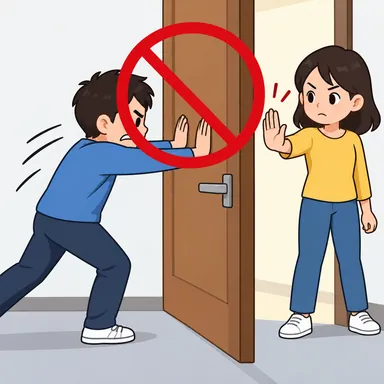
push: 押す
push/pʊʃ/動詞
  • 押す · to move something away from you

例文

Push the door, do not pull it.

ドアは引かずに押してください。

strange: 奇妙な
strange/streɪndʒ/形容詞
  • 奇妙な · unusual and hard to explain

例文

That is a strange story.

それは奇妙な話です。

文法

過去形 — よく使う不規則動詞

S + V2

A1 では作り方を学びました。A2 では不規則動詞の語彙を広げます。よく使うもの: bring–brought、buy–bought、catch–caught、teach–taught、think–thought、feel–felt、keep–kept、leave–left、lose–lost、meet–met、pay–paid、send–sent、sit–sat、win–won。 よくある誤り: 不規則動詞に -ed を付けないこと: buyed ✗、bought ✓。また did のあとは原形に戻ります: didn't bought ✗、didn't buy ✓。

She brought her own lunch.

彼女は自分の昼食を持ってきました。

I thought about it all night.

私は一晩中それについて考えました。

We paid at the counter.

私たちはレジで支払いました。

He won the game.

彼はその試合に勝ちました。

会話

接触事故を語る

今朝の出来事を友だちに話す

Na
Nam

What happened this morning?

今朝、何があったのですか。

Th
Thu

A man threw a bag and I caught it.

男の人がかばんを投げて、私がそれを受け止めました。

Na
Nam

Did you notice who he was?

その人がだれだったか分かりましたか。

Th
Thu

No. He pushed the door and ran.

いいえ。ドアを押して走り去りました。

Na
Nam

That seems strange.

それは変ですね。

Th
Thu

I held the bag and realized it was my bag. He cut the strap and pulled it off.

かばんを持ち上げて、それが自分のかばんだと気づきました。彼はストラップを切って引きはがしたのです。