




하나 또는 여러 개

가족 이야기하기, 사람 묘사하기, 누구의 것인지 말하기

12 단어2 문법 항목1 대화~18 분

단어12개 단어

many: 많은 (셀 수 있는)
many/ˈmeni/한정사
  • 많은 (셀 수 있는) · a large number of things you can countmany/much는 셀 수 있는지 여부로 구별해요

예문

There are many people here.

여기에는 사람이 많아요.

How many brothers do you have?

남자 형제가 몇 명 있어요?

much: 많은 (셀 수 없는)
much/mʌtʃ/한정사
  • 많은 (셀 수 없는) · a large amount you cannot count

예문

How much water do you drink?

물을 얼마나 마시세요?

There is not much time.

시간이 많이 남지 않았어요.

all: 모든, 전부
all/ɔːl/한정사
  • 모든, 전부 · every one of a group

예문

All the students are here.

학생들이 모두 여기 있어요.

every: 모든, 매
every/ˈevri/한정사
  • 모든, 매 · each one of a group

예문

I run every morning.

저는 매일 아침 달리기를 해요.

other: 다른
other/ˈʌðər/형용사
  • 다른 · different from the one you have

예문

Try the other door.

다른 문으로 해 보세요.

thing: 것, 물건
thing/θɪŋ/명사
  • 것, 물건 · an object you do not name

예문

Put your things here.

물건은 여기에 두세요.

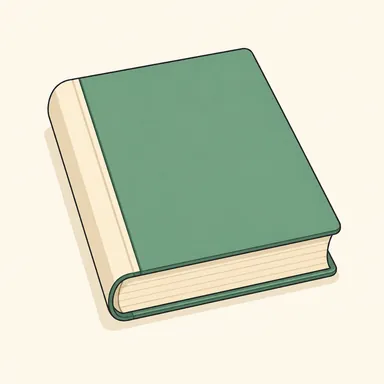
book: 책
book/bʊk/명사
  • 1.책 · pages with words, held together to read
  • 2.예약하다 · to keep a seat or a room for later

예문

This book is interesting.

이 책은 재미있어요.

Please book a table for four.

네 명 자리를 예약해 주세요.

letter: 편지
letter/ˈletər/명사
  • 1.편지 · a written message you send by post
  • 2.글자, 문자 · a sign such as a, b or c

예문

This letter is from my friend.

이 편지는 제 친구가 보낸 거예요.

The word 'cat' has three letters.

'cat'이라는 단어에는 글자가 세 개 있어요.

newspaper: 신문
newspaper/ˈnuːzpeɪpər/명사
  • 신문 · printed pages with the news

예문

He reads a newspaper every morning.

그는 매일 아침 신문을 읽어요.

box: 상자, 박스
box/bɑːks/명사
  • 상자, 박스 · a container with flat sides

예문

The box is empty.

상자가 비어 있어요.

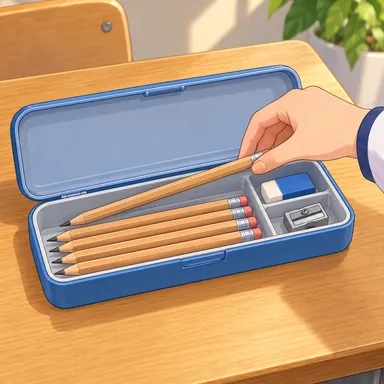
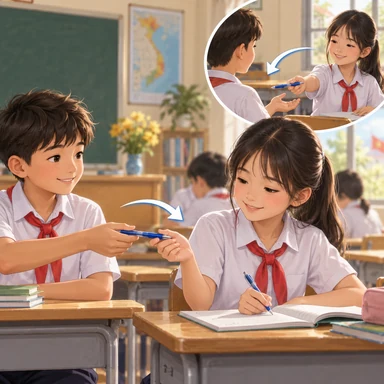
borrow: 빌리다
borrow/ˈbɑːroʊ/동사
  • 빌리다 · to take something from someone and give it back laterborrow(빌리다) ≠ lend(빌려주다)

예문

Can I borrow your pen?

펜 좀 빌려도 될까요?

Borrow a book from the library.

도서관에서 책을 한 권 빌리세요.

lend: 빌려주다
lend/lend/동사
  • 빌려주다 · to let someone use something and get it back later

예문

Can you lend me a pen?

펜 좀 빌려주실래요?

Please lend me your pen.

펜을 빌려주세요.

문법

복수 명사

N + -s / -es / -ies

하나보다 많으면 명사의 형태를 바꿔야 해요. 앞에 숫자가 있어도 마찬가지예요. 보통 -s를 붙이고, -s, -sh, -ch, -x로 끝나면 -es를 붙이며, 자음 + y는 y를 -ies로 바꿔요. 불규칙 복수형도 있어요: man–men, woman–women, child–children, foot–feet, person–people. 자주 틀리는 실수: 한국어는 복수 표시가 필수가 아니어서 "책 두 권"처럼 명사에 아무것도 붙이지 않아요. 그래서 영어에서도 복수형을 빠뜨리기 쉬워요: two book ✗, two books ✓. 숫자가 있어도 -s는 꼭 붙여야 해요.

I have two brothers.

저는 형이 두 명 있어요.

There are three buses.

버스가 세 대 있어요.

Six children are in the garden.

아이 여섯 명이 정원에 있어요.

Many people live here.

많은 사람이 여기에 살아요.

there is / there are

There is + Nsg · There are + Npl

무언가가 어디에 있다고 말할 때 써요. 여기서 there는 '그곳'이라는 뜻이 아니라 형식적인 주어일 뿐이에요. 바로 뒤에 오는 명사에 따라 is나 are를 골라요. 자주 틀리는 실수: 한국어의 "있다"를 have로 옮기기 쉬워요: Here have a book ✗, There is a book ✓.

There is a book on the table.

탁자 위에 책이 한 권 있어요.

There are two hotels near here.

이 근처에 호텔이 두 곳 있어요.

Is there a bank near here?

이 근처에 은행이 있어요?

There isn't a bank here.

여기에는 은행이 없어요.

자세히 보기 & 연습

대화

책장 정리하기

방 안의 물건 정리하기

Tu
Tuan

How many books are in that box?

저 상자에 책이 몇 권 있어요?

An
Anna

All of them! There are twenty books.

전부 다요! 스무 권이 있어요.

Tu
Tuan

And the newspapers?

그럼 이 신문들은요?

An
Anna

Every newspaper is old. Put them in the other box.

신문은 전부 오래됐어요. 다른 상자에 넣으세요.

Tu
Tuan

There are many letters here too.

여기에도 편지가 많아요.

An
Anna

We don't have much time. Take all the boxes now.

우리한테 시간이 많지 않아요. 상자를 전부 지금 가져가요.