









เรื่องที่เกิดขึ้นวันนั้น

เล่าเรื่องที่เกิดขึ้น แยกแยะเหตุการณ์ที่ยาวและสั้นในอดีต

11 คำศัพท์1 หัวข้อไวยากรณ์1 บทสนทนา~15 นาที

คำศัพท์11 คำ

happen: เกิดขึ้น
happen/ˈhæpən/คำกริยา
  • เกิดขึ้น · to take place

ตัวอย่าง

What happened last night?

เมื่อคืนเกิดอะไรขึ้น

notice: สังเกตเห็น
notice/ˈnoʊtɪs/คำกริยา
  • 1.สังเกตเห็น · to see or become aware of something
  • 2.ประกาศ, ป้ายแจ้ง · a sign that tells people something

ตัวอย่าง

Did you notice the new sign?

คุณสังเกตเห็นป้ายใหม่ไหม

There is a notice on the door.

มีประกาศติดอยู่ที่ประตู

realize: รู้ตัว, ตระหนักได้
realize/ˈriəlaɪz/คำกริยา
  • รู้ตัว, ตระหนักได้ · to understand something suddenly

ตัวอย่าง

I did not realize it was so late.

ฉันไม่รู้ตัวเลยว่ามันดึกมากแล้ว

seem: ดูเหมือนว่า
seem/siːm/คำกริยา
  • ดูเหมือนว่า · to give the impression of being

ตัวอย่าง

She seems very happy today.

วันนี้เธอดูมีความสุขมาก

hold: มีสิ่งของอยู่ในมือ
hold/hoʊld/คำกริยา
  • มีสิ่งของอยู่ในมือ · to have something in your hand

ตัวอย่าง

Hold this bag for a moment.

ช่วยถือกระเป๋านี้ให้สักครู่

catch: จับ, รับ
catch/kætʃ/คำกริยา
  • 1.จับ, รับ · to take hold of something moving
  • 2.ขึ้นทัน (รถบัส, รถไฟ) · to get on a bus or a train in time

ตัวอย่าง

Catch the ball!

รับลูกบอลไว้!

I must catch the last bus.

ฉันต้องขึ้นรถเมล์คันสุดท้ายให้ทัน

throw: ขว้าง, โยน
throw/θroʊ/คำกริยา
  • ขว้าง, โยน · to send something through the air with your hand

ตัวอย่าง

Do not throw rubbish here.

อย่าทิ้งขยะที่นี่

cut: ตัด
cut/kʌt/คำกริยา
  • ตัด · to open or divide something with a knife

ตัวอย่าง

Cut the bread into six pieces.

ตัดขนมปังออกเป็นหกชิ้น

pull: ดึง
pull/pʊl/คำกริยา
  • ดึง · to move something towards you

ตัวอย่าง

Pull this handle to open.

ดึงมือจับนี้เพื่อเปิด

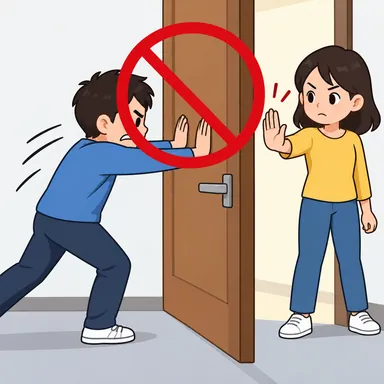
push: ดัน, ผลัก
push/pʊʃ/คำกริยา
  • ดัน, ผลัก · to move something away from you

ตัวอย่าง

Push the door, do not pull it.

ดันประตู อย่าดึง

strange: ไม่ธรรมดาและอธิบายได้ยาก
strange/streɪndʒ/คำคุณศัพท์
  • ไม่ธรรมดาและอธิบายได้ยาก · unusual and hard to explain

ตัวอย่าง

That is a strange story.

นั่นเป็นเรื่องแปลก

ไวยากรณ์

อดีตกาลธรรมดา — กริยาไม่ปกติที่พบบ่อย

S + V2

ในระดับ A1 ได้เรียนวิธีสร้างรูปไปแล้ว ในระดับ A2 ต้องขยายคลังคำกริยาไม่ปกติให้มากขึ้น กลุ่มที่ใช้บ่อย ได้แก่ bring–brought, buy–bought, catch–caught, teach–taught, think–thought, feel–felt, keep–kept, leave–left, lose–lost, meet–met, pay–paid, send–sent, sit–sat, win–won ข้อผิดพลาดที่พบบ่อย: อย่าเติม -ed ให้กับกริยาไม่ปกติ: buyed ✗, bought ✓ และหลัง did ต้องกลับไปใช้รูปพื้นฐาน: didn't bought ✗, didn't buy ✓

She brought her own lunch.

เธอเอาอาหารกลางวันของตัวเองมา

I thought about it all night.

ฉันคิดเรื่องนั้นทั้งคืน

We paid at the counter.

เราจ่ายเงินที่เคาน์เตอร์

He won the game.

เขาชนะเกมนั้น

บทสนทนา

เล่าเหตุการณ์ชนกัน

เล่าเรื่องเมื่อเช้านี้ให้เพื่อนฟัง

Na
Nam

What happened this morning?

เมื่อเช้านี้เกิดอะไรขึ้น

Th
Thu

A man threw a bag and I caught it.

ผู้ชายคนหนึ่งขว้างกระเป๋ามา แล้วฉันก็รับไว้ได้

Na
Nam

Did you notice who he was?

คุณสังเกตไหมว่าเขาเป็นใคร

Th
Thu

No. He pushed the door and ran.

ไม่เลย เขาผลักประตูแล้ววิ่งหนีไป

Na
Nam

That seems strange.

ฟังดูแปลกจัง

Th
Thu

I held the bag and realized it was my bag. He cut the strap and pulled it off.

ฉันถือกระเป๋าขึ้นมาแล้วรู้ว่านั่นคือกระเป๋าของฉันเอง เขาตัดสายแล้วดึงมันออกไป