









O que aconteceu naquele dia

Contar o que aconteceu, distinguindo ações longas e curtas no passado

11 palavras1 pontos de gramática1 diálogos~15 min

Vocabulário11 palavras

happen: acontecer
happen/ˈhæpən/verbo
  • acontecer · to take place

Exemplos

What happened last night?

O que aconteceu ontem à noite?

notice: perceber, reparar
notice/ˈnoʊtɪs/verbo
  • 1.perceber, reparar · to see or become aware of something
  • 2.aviso, placa · a sign that tells people something

Exemplos

Did you notice the new sign?

Você reparou na placa nova?

There is a notice on the door.

Há um aviso na porta.

realize: perceber, dar-se conta
realize/ˈriəlaɪz/verbo
  • perceber, dar-se conta · to understand something suddenly

Exemplos

I did not realize it was so late.

Não percebi que já era tão tarde.

seem: parecer
seem/siːm/verbo
  • parecer · to give the impression of being

Exemplos

She seems very happy today.

Hoje ela parece muito feliz.

hold: segurar, guardar
hold/hoʊld/verbo
  • segurar, guardar · to have something in your hand

Exemplos

Hold this bag for a moment.

Segure esta bolsa um instante.

catch: pegar, apanhar
catch/kætʃ/verbo
  • 1.pegar, apanhar · to take hold of something moving
  • 2.pegar (ônibus, trem) · to get on a bus or a train in time

Exemplos

Catch the ball!

Pegue a bola!

I must catch the last bus.

Eu preciso pegar o último ônibus.

throw: jogar, atirar
throw/θroʊ/verbo
  • jogar, atirar · to send something through the air with your hand

Exemplos

Do not throw rubbish here.

Não jogue lixo aqui.

cut: cortar
cut/kʌt/verbo
  • cortar · to open or divide something with a knife

Exemplos

Cut the bread into six pieces.

Corte o pão em seis pedaços.

pull: puxar
pull/pʊl/verbo
  • puxar · to move something towards you

Exemplos

Pull this handle to open.

Puxe esta maçaneta para abrir.

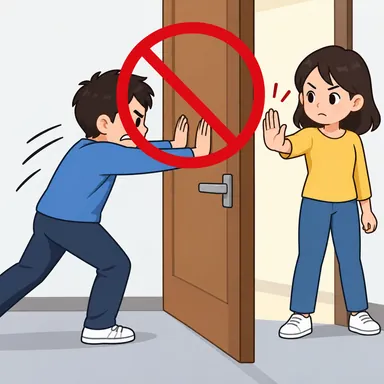
push: empurrar
push/pʊʃ/verbo
  • empurrar · to move something away from you

Exemplos

Push the door, do not pull it.

Empurre a porta, não puxe.

strange: estranho/a
strange/streɪndʒ/adjetivo
  • estranho/a · unusual and hard to explain

Exemplos

That is a strange story.

É uma história estranha.

Gramática

Passado simples — verbos irregulares comuns

S + V2

No nível A1 você aprendeu a construir as frases; no A2 é preciso ampliar o vocabulário de verbos irregulares. Os mais usados: bring–brought, buy–bought, catch–caught, teach–taught, think–thought, feel–felt, keep–kept, leave–left, lose–lost, meet–met, pay–paid, send–sent, sit–sat, win–won. Erros comuns: não acrescente -ed a verbos irregulares: buyed ✗, bought ✓. E depois de did o verbo volta ao infinitivo: didn't bought ✗, didn't buy ✓.

She brought her own lunch.

Ela trouxe o próprio almoço.

I thought about it all night.

Pensei nisso a noite toda.

We paid at the counter.

Pagamos no caixa.

He won the game.

Ele ganhou o jogo.

Diálogos

Contando sobre o incidente

Contando a um amigo o que aconteceu hoje de manhã

Na
Nam

What happened this morning?

O que aconteceu hoje de manhã?

Th
Thu

A man threw a bag and I caught it.

Um homem jogou uma bolsa e eu a peguei.

Na
Nam

Did you notice who he was?

Você reparou quem ele era?

Th
Thu

No. He pushed the door and ran.

Não. Ele empurrou a porta e saiu correndo.

Na
Nam

That seems strange.

Que estranho.

Th
Thu

I held the bag and realized it was my bag. He cut the strap and pulled it off.

Quando segurei a bolsa, percebi que era a minha. Ele cortou a alça e puxou a bolsa.