







你好

打招呼、自我介绍、询问姓名和国籍

16 个单词2 个语法点1 段对话~20 分钟

单词16个单词

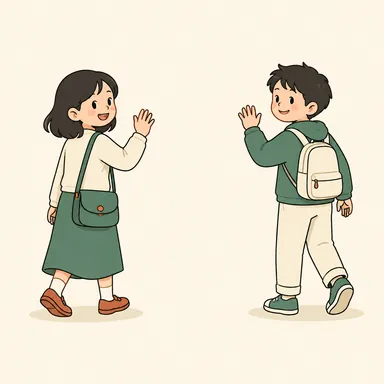
hello: 你好
hello/heˈloʊ/感叹词
  • 你好 · a word you say when you meet someone

例句

Hello, how are you?

你好,你好吗?

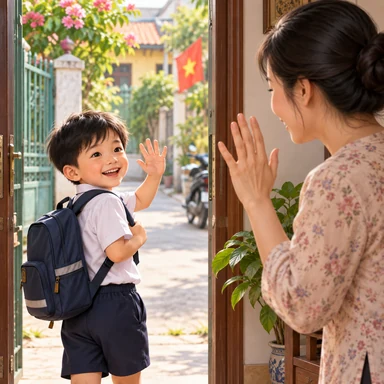
goodbye: 再见
goodbye/gʊdˈbaɪ/感叹词
  • 再见 · a word you say when you leave

例句

Goodbye, see you tomorrow.

再见,明天见。

thank you: 谢谢你
thank you/ˈθæŋk juː/短语
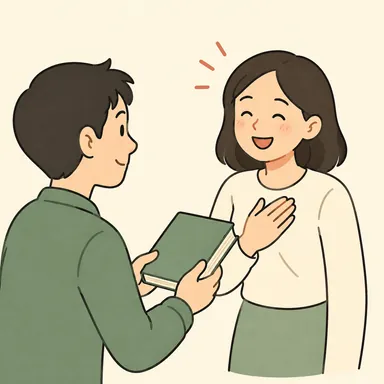
  • 谢谢你 · a polite phrase you say when someone helps you

例句

Thank you for your help.

谢谢你的帮助。

please: 请
please/pliːz/副词
  • 请 · a polite word you add to a request

例句

Two tickets, please.

请给我两张票。

sorry: 抱歉的
sorry/ˈsɑːri/形容词
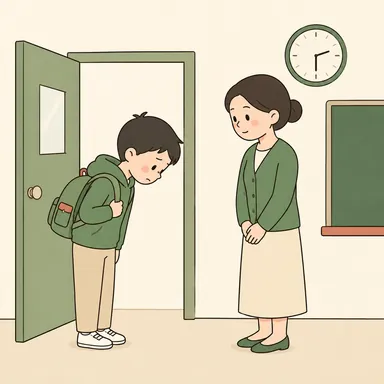
  • 抱歉的 · feeling bad about something you did

例句

Sorry, I am late.

对不起,我迟到了。

excuse me: 打扰一下
excuse me/ɪkˈskjuːz miː/短语
  • 打扰一下 · a polite phrase you say before you ask someone something

例句

Excuse me, where is the station?

打扰一下,车站在哪里?

welcome: 欢迎
welcome/ˈwelkəm/感叹词
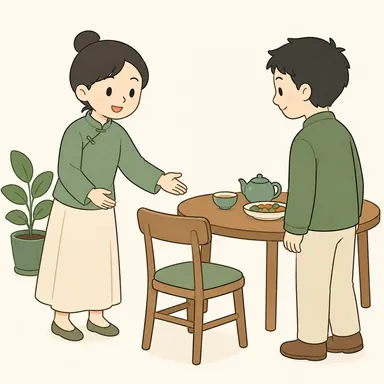
  • 欢迎 · a word you say to someone who arrives

例句

Welcome to our school.

欢迎来到我们学校。

name: 名字
name/neɪm/名词
  • 名字 · what someone or something is called

例句

What is your name?

你叫什么名字?

nice: 好的,友好的
nice/naɪs/形容词
  • 好的,友好的 · pleasant

例句

He is a nice person.

他是个好人。

teacher: 老师
teacher/ˈtiːtʃər/名词
  • 老师 · a person whose job is to teach

例句

Our teacher is very kind.

我们的老师人很好。

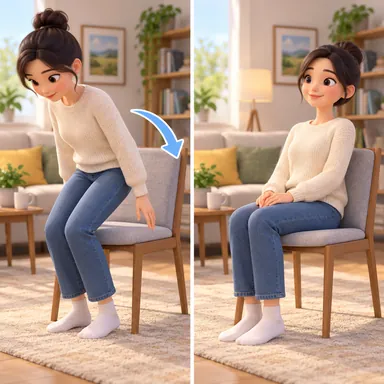
sit: 坐
sit/sɪt/动词
  • 坐 · to rest on a chair

例句

Sit down, please.

请坐。

new: 新的
new/nuː/形容词
  • 新的 · made or bought a short time ago

例句

My phone is new.

我的手机是新的。

hi: 嗨
hi/haɪ/感叹词
  • 嗨 · a friendly word you say when you meet someone比 hello 更随意

例句

Hi! How are you?

嗨!你好吗?

bye: 再见
bye/baɪ/感叹词
  • 再见 · a short word you say when you leave比 goodbye 更随意

例句

Bye! See you tomorrow.

再见!明天见。

okay: 好的,没问题
okay/oʊˈkeɪ/感叹词
  • 好的,没问题 · good enough; all right写成 OK 也是正确的

例句

Okay, I am ready.

好的,我准备好了。

Are you okay?

你没事吧?

thanks: 谢谢
thanks/θæŋks/感叹词
  • 谢谢 · a friendly way to say thank you比 thank you 更随意

例句

Thanks for the coffee.

谢谢你的咖啡。

语法

be 动词——肯定句

S + am / is / are + (N / Adj)

中文说“我是学生”和“我累”,后一句不需要“是”。但英语每个句子都必须有动词,所以这两句都要用 to be。to be 随主语变化:I → am,he/she/it 和单数名词 → is,you/we/they 和复数名词 → are。 常见错误:描述状态的句子在中文里不用“是”,所以很容易漏掉 to be:“我累”→ I tired ✗,I am tired ✓。

I am a student.

我是学生。

She is tired.

她很累。

We are from Viet Nam.

我们来自越南。

The books are new.

这些书是新的。

祈使句

V0 + … · Don't + V0 + …

叫别人做某事时,直接省略主语,以动词原形开头。否定句在前面加 Don't,加上 please 会更礼貌。 常见错误:这是英语句子里唯一可以没有主语的情况,其他句子都必须有主语。

Open the window, please.

请帮我打开窗户。

Don't be late.

不要迟到。

Turn left at the corner.

在街角向左转。

Please sit down.

请坐。

对话

问候新老师

上课第一天

La
Lan

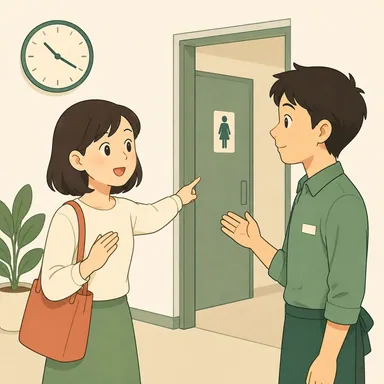
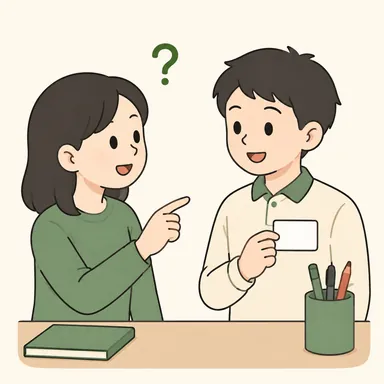
Hello! Excuse me, are you the new teacher?

你好!打扰一下,您是新来的老师吗?

Ma
Mai

Yes, I am. My name is Mai.

没错,我叫 Mai。

La
Lan

Nice to meet you. I'm Lan. Sorry, I'm late.

很高兴认识您。我是 Lan。对不起,我迟到了。

Ma
Mai

That's fine. Welcome to the class, Lan. Please sit here.

没关系。欢迎来到我们班,Lan。请坐这里。

La
Lan

Thank you very much.

非常感谢您。

Ma
Mai

You're welcome. Now please open your book.

不客气。现在请把书打开。