







单数还是复数

谈论家人、描述人物、说明东西是谁的

12 个单词2 个语法点1 段对话~18 分钟

单词12个单词

many: 许多(可数)
many/ˈmeni/限定词
  • 许多(可数) · a large number of things you can countmany 和 much 要根据名词可数与否选择

例句

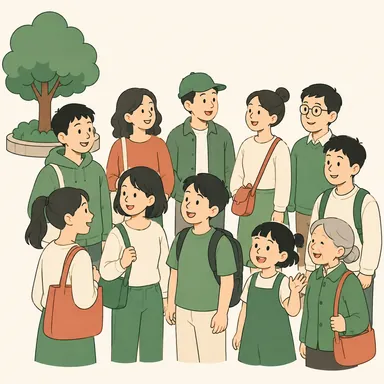
There are many people here.

这里有很多人。

How many brothers do you have?

你有几个兄弟?

much: 许多(不可数)
much/mʌtʃ/限定词
  • 许多(不可数) · a large amount you cannot count

例句

How much water do you drink?

你喝多少水?

There is not much time.

没有多少时间了。

all: 所有的,全部
all/ɔːl/限定词
  • 所有的,全部 · every one of a group

例句

All the students are here.

所有学生都到了。

every: 每个
every/ˈevri/限定词
  • 每个 · each one of a group

例句

I run every morning.

我每天早上跑步。

other: 其他的
other/ˈʌðər/形容词
  • 其他的 · different from the one you have

例句

Try the other door.

试试另一扇门。

thing: 东西,事情
thing/θɪŋ/名词
  • 东西,事情 · an object you do not name

例句

Put your things here.

把你的东西放在这里。

book: 书
book/bʊk/名词
  • 1.书 · pages with words, held together to read
  • 2.预订 · to keep a seat or a room for later

例句

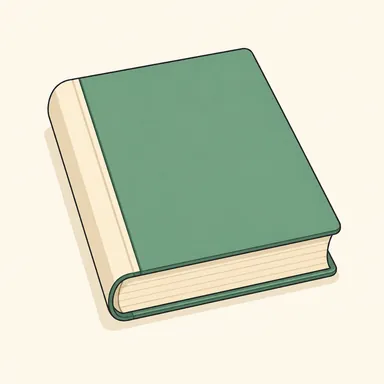
This book is interesting.

这本书很有意思。

Please book a table for four.

请订一张四人的桌子。

letter: 信
letter/ˈletər/名词
  • 1.信 · a written message you send by post
  • 2.字母 · a sign such as a, b or c

例句

This letter is from my friend.

这封信是我朋友寄来的。

The word 'cat' has three letters.

单词 “cat” 有三个字母。

newspaper: 报纸
newspaper/ˈnuːzpeɪpər/名词
  • 报纸 · printed pages with the news

例句

He reads a newspaper every morning.

他每天早上都看报纸。

box: 盒子
box/bɑːks/名词
  • 盒子 · a container with flat sides

例句

The box is empty.

盒子是空的。

borrow: 借(入)
borrow/ˈbɑːroʊ/动词
  • 借(入) · to take something from someone and give it back laterborrow(借入)≠ lend(借出)

例句

Can I borrow your pen?

我可以借你的笔吗?

Borrow a book from the library.

从图书馆借一本书。

lend: 借出
lend/lend/动词
  • 借出 · to let someone use something and get it back later

例句

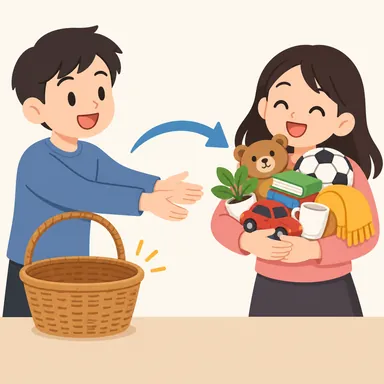
Can you lend me a pen?

你能借我一支笔吗?

Please lend me your pen.

请把你的笔借我用一下。

语法

名词复数

N + -s / -es / -ies

多于一个时,名词要变形,即使前面已经有数字。通常加 -s;以 -s、-sh、-ch、-x 结尾的加 -es;辅音字母 + y 结尾的把 y 变成 -ies。有些是不规则变化:man–men、woman–women、child–children、foot–feet、person–people。 常见错误:中文名词没有复数变化,数量靠数词和量词表示(“两本书”,书本身不变),所以容易写成 two book ✗,two books ✓——即使前面已有数字,也要加 -s。

I have two brothers.

我有两个哥哥。

There are three buses.

有三辆公共汽车。

Six children are in the garden.

六个孩子在花园里。

Many people live here.

很多人住在这里。

there is / there are

There is + Nsg · There are + Npl

用来表示某处有某物。这里的 there 不是“那里”的意思,只是形式主语。is 还是 are,要看紧跟在后面的名词。 常见错误:中文说“有”,容易直接用 have:Here have a book ✗,There is a book ✓。

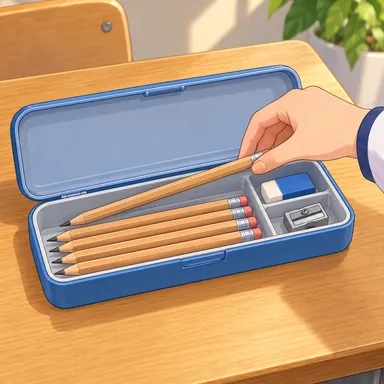
There is a book on the table.

桌子上有一本书。

There are two hotels near here.

这附近有两家酒店。

Is there a bank near here?

这附近有银行吗?

There isn't a bank here.

这里没有银行。

查看详情并练习

对话

整理书架

整理房间里的东西

Tu
Tuan

How many books are in that box?

那个箱子里有几本书?

An
Anna

All of them! There are twenty books.

全部!有二十本书。

Tu
Tuan

And the newspapers?

那这些报纸呢?

An
Anna

Every newspaper is old. Put them in the other box.

每份报纸都旧了。放进另一个箱子吧。

Tu
Tuan

There are many letters here too.

这里也有很多信。

An
Anna

We don't have much time. Take all the boxes now.

我们没有太多时间。现在把所有箱子都搬走吧。