





Estou com dor aqui

Dizer onde dói e contar o que aconteceu

13 palavras1 pontos de gramática1 diálogos~16 min

Vocabulário13 palavras

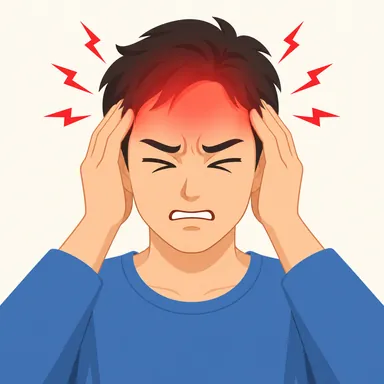
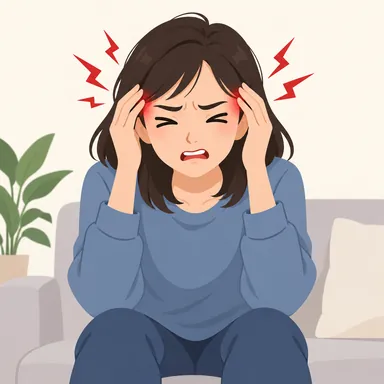
head: cabeça
head/hed/substantivo
  • cabeça · the top part of the body, above the neck

Exemplos

My head hurts.

Minha cabeça dói.

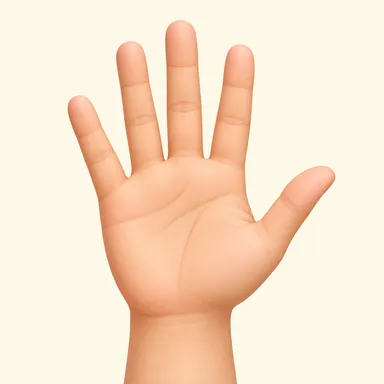
hand: mão
hand/hænd/substantivo
  • mão · the part of the body at the end of the arm

Exemplos

Wash your hands.

Lave as mãos.

arm: braço
arm/ɑːrm/substantivo
  • braço · the part of the body between the shoulder and the hand

Exemplos

He broke his arm.

Ele quebrou o braço.

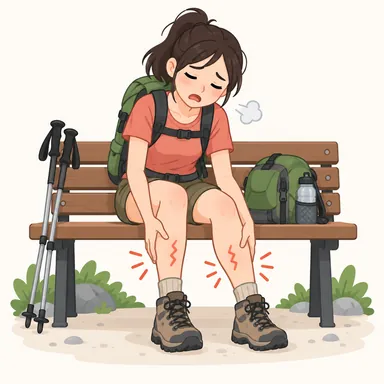
leg: perna
leg/leg/substantivo
  • perna · the part of the body you stand on

Exemplos

My legs are tired.

Minhas pernas estão cansadas.

foot: pé
foot/fʊt/substantivo
  • pé · the part of the body at the end of the legplural irregular

Exemplos

My foot hurts.

Meu pé dói.

face: rosto
face/feɪs/substantivo
  • rosto · the front of the head

Exemplos

Wash your face.

Lave o rosto.

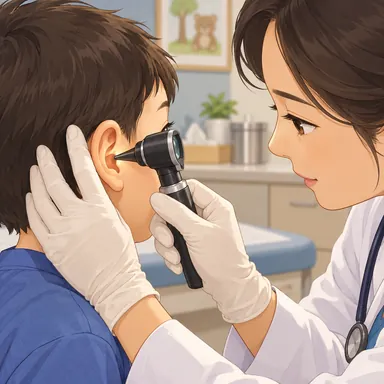
ear: orelha, ouvido
ear/ɪr/substantivo
  • orelha, ouvido · the part of the body you hear with

Exemplos

My ears hurt on the plane.

Meus ouvidos doem no avião.

nose: nariz
nose/noʊz/substantivo
  • nariz · the part of the face you smell with

Exemplos

My nose is cold.

Meu nariz está frio.

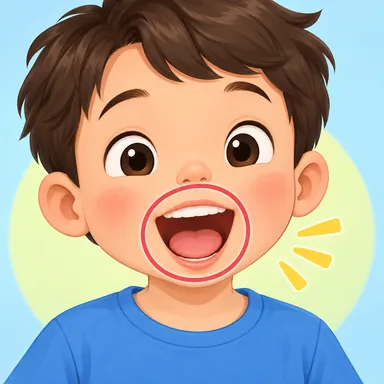
mouth: boca
mouth/maʊθ/substantivo
  • boca · the part of the face you eat and speak with

Exemplos

Open your mouth, please.

Abra a boca, por favor.

tooth: dente
tooth/tuːθ/substantivo
  • dente · one of the hard white things in your mouthplural irregular

Exemplos

Brush your teeth.

Escove os dentes.

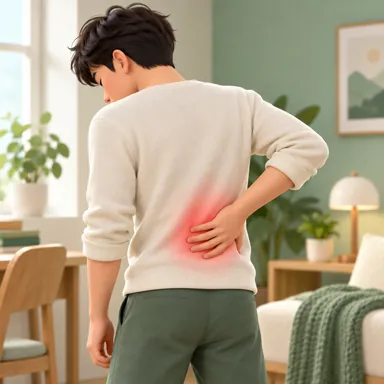
back: costas
back/bæk/substantivo
  • costas · the part of the body behind you, from the neck to the legsback também significa «de volta», como em come back

Exemplos

My back hurts today.

Hoje minhas costas doem.

neck: pescoço
neck/nek/substantivo
  • pescoço · the part of the body between the head and the shoulders

Exemplos

My neck hurts when I read.

Meu pescoço dói quando eu leio.

hurt: doer
hurt/hɜːrt/verbo
  • 1.doer · to feel pain
  • 2.machucar · to make someone feel pain

Exemplos

My back hurts.

Minhas costas doem.

Do not hurt your hand.

Não machuque a mão.

Gramática

Passado simples — verbos irregulares

S + V2

Os verbos mais comuns não seguem o -ed e é preciso decorar um por um: go–went, have–had, do–did, see–saw, take–took, get–got, come–came, make–made, say–said, eat–ate. Erros comuns: goed ✗, went ✓ — não há atalho, é preciso decorar a lista.

I went to Hue last year.

No ano passado eu fui a Huế.

She had lunch at twelve.

Ela almoçou ao meio-dia.

We saw a good film.

Nós vimos um filme bom.

He came home very late.

Ele chegou em casa muito tarde.

Diálogos

No consultório

Contando os sintomas à enfermeira

Ho
Hoa

What's the matter?

O que você tem?

Na
Nam

My head hurt all night. I got up three times.

Minha cabeça doeu a noite toda. Levantei três vezes.

Ho
Hoa

Did you hurt your hand or your arm?

Você machucou a mão ou o braço?

Na
Nam

No. But my leg and my foot hurt when I walk.

Não. Mas minha perna e meu pé doem quando eu ando.

Ho
Hoa

Open your mouth. How is your tooth?

Abra a boca. Como está o dente?

Na
Nam

It's fine. My face and my ear feel hot.

Está bem. Meu rosto e minha orelha parecem quentes.

Ho
Hoa

Your nose is red too. You came at the right time.

Seu nariz também está vermelho. Você veio na hora certa.