Vocabulary topic

English vocabulary — Function Words topic

177 words · CEFR A1–B2

Total words177
CEFR levelsA1–B2
Native audioYes

A roundup of 177 English vocabulary words for the Function Words topic across CEFR A1–B2, grouped by meaning and with IPA and English meanings. Learning Function Words vocabulary in context helps you remember it longer and use it right away in conversation. Tap Study flashcards to review, or browse more English vocabulary by topic and the A1–C2 pathway.

A1Function Words vocabulary · A1(85 words)Free

A1 pathway
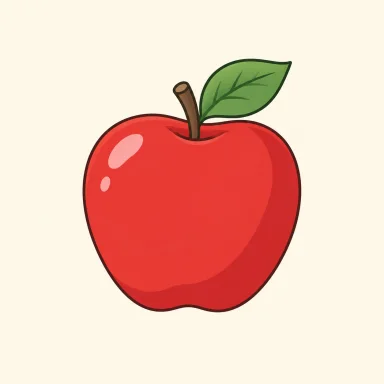
a: used before singular nouns, when the thing is one of many

aA1
/ə/

used before singular nouns, when the thing is one of many

about: on the subject of
aboutA1
/əˈbaʊt/

on the subject of

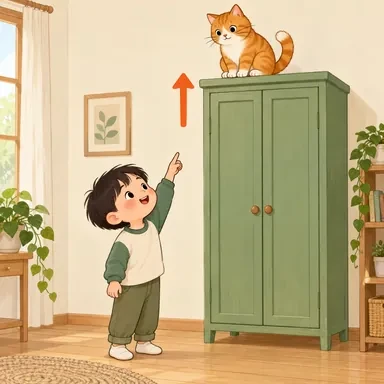
above: in a higher place than something
aboveA1
/əˈbʌv/

in a higher place than something

after: later than something
afterA1
/ˈæftər/

later than something

all: every one of a group
allA1
/ɔːl/

every one of a group

also: in addition; as well
alsoA1
/ˈɔːlsoʊ/

in addition; as well

an: used before a noun that begins with a vowel sound

anA1
/ən/

used before a noun that begins with a vowel sound

and: used to join two words or ideas
andA1
/ænd/

used to join two words or ideas

any: some, in questions and negative sentences

anyA1
/ˈeni/

some, in questions and negative sentences

at: in a place or position
atA1
/æt/

in a place or position

away: to or at a different place
awayA1
/əˈweɪ/

to or at a different place

because: for the reason that
becauseA1
/bɪˈkɔːz/

for the reason that

before: earlier than something
beforeA1
/bɪˈfɔːr/

earlier than something

behind: at the back of something
behindA1
/bɪˈhaɪnd/

at the back of something

below: in a lower place than something
belowA1
/bɪˈloʊ/

in a lower place than something

between: in the space that has one thing on each side

betweenA1
/bɪˈtwiːn/

in the space that has one thing on each side

but: used to join two different ideas
butA1
/bʌt/

used to join two different ideas

down: to a lower place
downA1
/daʊn/

to a lower place

every: each one of a group
everyA1
/ˈevri/

each one of a group

few: a small number of things
fewA1
/fjuː/

a small number of things

for: to be given to or used by someone
forA1
/fɔːr/

to be given to or used by someone

from: starting at a place or time
fromA1
/frʌm/

starting at a place or time

he: the male person you are talking about

heA1
/hiː/

the male person you are talking about

her: the female person you are talking about, after a verb

herA1
/hɜːr/

the female person you are talking about, after a verb

here: in this place
hereA1
/hɪr/

in this place

him: the male person you are talking about, after a verb
himA1
/hɪm/

the male person you are talking about, after a verb

his: belonging to him
hisA1
/hɪz/

belonging to him

how: in what way
howA1
/haʊ/

in what way

I: the person speaking
IA1
/aɪ/

the person speaking

if: used to say that one thing depends on another
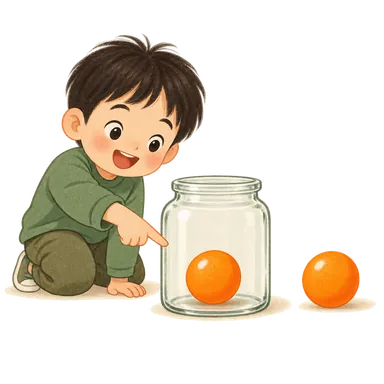
ifA1
/ɪf/

used to say that one thing depends on another

in: inside something
inA1
/ɪn/

inside something

it: the thing or animal you are talking about

itA1
/ɪt/

the thing or animal you are talking about

its: belonging to it
itsA1
/ɪts/

belonging to it

little: a small amount
littleA1
/ˈlɪtəl/

a small amount

many: a large number of things you can count

manyA1
/ˈmeni/

a large number of things you can count

me: the person speaking, after a verb
meA1
/miː/

the person speaking, after a verb

mine: the thing belonging to me
mineA1
/maɪn/

the thing belonging to me

more: a larger amount
moreA1
/mɔːr/

a larger amount

much: a large amount you cannot count
muchA1
/mʌtʃ/

a large amount you cannot count

my: belonging to me
myA1
/maɪ/

belonging to me

near: a short distance from something
nearA1
/nɪr/

a short distance from something

no: used to give a negative answer
noA1
/noʊ/

used to give a negative answer

not: used to make a sentence negative
notA1
/nɑːt/

used to make a sentence negative

now: at this moment
nowA1
/naʊ/

at this moment

of: used to show that one thing belongs to another

ofA1
/ʌv/

used to show that one thing belongs to another

off: away from a thing, or not working
offA1
/ɔːf/

away from a thing, or not working

on: touching the top of something
onA1
/ɑːn/

touching the top of something

or: used to give another choice
orA1
/ɔːr/

used to give another choice

our: belonging to us
ourA1
/aʊr/

belonging to us

out: away from the inside
outA1
/aʊt/

away from the inside

over: higher than something
overA1
/ˈoʊvər/

higher than something

she: the female person you are talking about

sheA1
/ʃiː/

the female person you are talking about

so: for that reason
soA1
/soʊ/

for that reason

some: an amount that is not exact
someA1
/sʌm/

an amount that is not exact

than: used after a comparative to say what you compare with

thanA1
/ðæn/

used after a comparative to say what you compare with

that: the thing over there
thatA1
/ðæt/

the thing over there

the: used before a noun when you know which one

theA1
/ðə/

used before a noun when you know which one

their: belonging to them
theirA1
/ðer/

belonging to them

them: the people or things you are talking about, after a verb
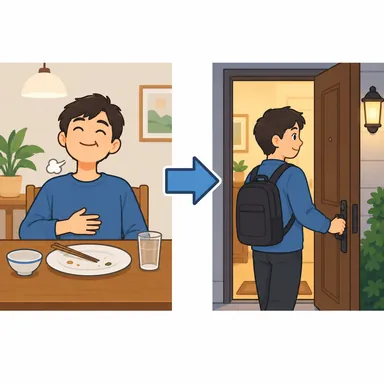
themA1
/ðem/

the people or things you are talking about, after a verb

then: after that
thenA1
/ðen/

after that

there: in that place
thereA1
/ðer/

in that place

these: the things near you
theseA1
/ðiːz/

the things near you

they: the people or things you are talking about
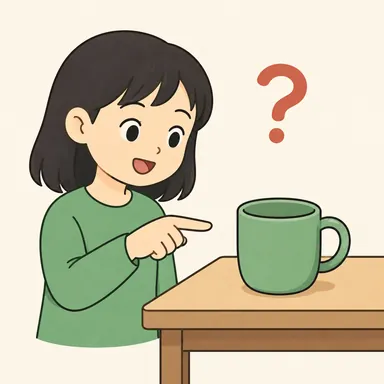
theyA1
/ðeɪ/

the people or things you are talking about

this: the thing near you
thisA1
/ðɪs/

the thing near you

those: the things over there
thoseA1
/ðoʊz/

the things over there

to: in the direction of a place
toA1
/tuː/

in the direction of a place

too: as well
tooA1
/tuː/

as well

under: below something
underA1
/ˈʌndər/

below something

up: to a higher place
upA1
/ʌp/

to a higher place

us: the people speaking, after a verb
usA1
/ʌs/

the people speaking, after a verb

very: used to make an adjective stronger
veryA1
/ˈveri/

used to make an adjective stronger

we: the person speaking and others
weA1
/wiː/

the person speaking and others

what: used to ask about a thing
whatA1
/wʌt/

used to ask about a thing

when: used to ask about a time
whenA1
/wen/

used to ask about a time

where: used to ask about a place
whereA1
/wer/

used to ask about a place

which: used to ask about one of a group
whichA1
/wɪtʃ/

used to ask about one of a group

who: used to ask about a person
whoA1
/huː/

used to ask about a person

whose: used to ask who something belongs to
whoseA1
/huːz/

used to ask who something belongs to

why: used to ask about a reason
whyA1
/waɪ/

used to ask about a reason

with: in the company of someone
withA1
/wɪð/

in the company of someone

without: not having something
withoutA1
/wɪˈðaʊt/

not having something

yes: used to give a positive answer
yesA1
/jes/

used to give a positive answer

you: the person or people I am speaking to

youA1
/juː/

the person or people I am speaking to

your: belonging to you
yourA1
/jʊr/

belonging to you

yours: the thing belonging to you
yoursA1
/jɔːrz/

the thing belonging to you

A2Function Words vocabulary · A2(26 words)

A2 pathway

although: used to join two opposite ideas
althoughA2
/ɔːlˈðoʊ/

used to join two opposite ideas

another: one more, or a different one
anotherA2
/əˈnʌðər/

one more, or a different one

anyone: any person
anyoneA2
/ˈeniwʌn/

any person

anything: any thing
anythingA2
/ˈeniθɪŋ/

any thing

anywhere: in or to any place
anywhereA2
/ˈeniwer/

in or to any place

both: the two together
bothA2
/boʊθ/

the two together

during: all through a period of time
duringA2
/ˈdʊrɪŋ/

all through a period of time

each: every one of a group, taken one by one

eachA2
/iːtʃ/

every one of a group, taken one by one

each other: the one and the other, both ways
each otherA2
/iːtʃ ˈʌðər/

the one and the other, both ways

either: one or the other of two
eitherA2
/ˈiːðər/

one or the other of two

enough: as much as you need
enoughA2
/ɪˈnʌf/

as much as you need

everyone: every person
everyoneA2
/ˈevriwʌn/

every person

everything: every thing
everythingA2
/ˈevriθɪŋ/

every thing

everywhere: in or to every place
everywhereA2
/ˈevriwer/

in or to every place

most: nearly all of a group
mostA2
/moʊst/

nearly all of a group

neither: not one and not the other
neitherA2
/ˈniːðər/

not one and not the other

nobody: no person
nobodyA2
/ˈnoʊbɑːdi/

no person

none: not one of a group
noneA2
/nʌn/

not one of a group

nothing: not a thing
nothingA2
/ˈnʌθɪŋ/

not a thing

several: more than two but not many
severalA2
/ˈsevrəl/

more than two but not many

Showing 20 of 26 wordsUnlock the other 6 words

B1Function Words vocabulary · B1(27 words)

B1 pathway
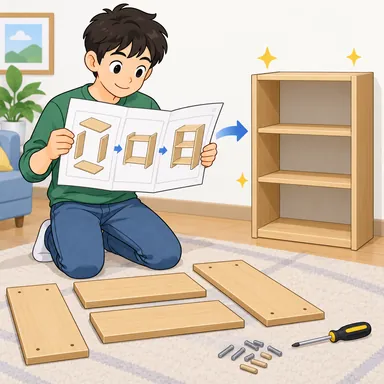
according to: as stated by a person or a source
according toB1
/əˈkɔːrdɪŋ tuː/

as stated by a person or a source

apart from: except for
apart fromB1
/əˈpɑːrt frʌm/

except for

as a matter of fact: used to give the real position
as a matter of factB1
/æz ə ˈmætər ʌv fækt/

used to give the real position

as a result: because of what happened before
as a resultB1
/æz ə rɪˈzʌlt/

because of what happened before

as long as: only if
as long asB1
/æz lɔːŋ æz/

only if

as well: in addition
as wellB1
/æz wel/

in addition

by the way: used to add something not connected
by the wayB1
/baɪ ðə weɪ/

used to add something not connected

due to: because of
due toB1
/duː tuː/

because of

even though: used before a fact that makes the rest surprising

even thoughB1
/ˈiːvən ðoʊ/

used before a fact that makes the rest surprising

first of all: before anything else
first of allB1
/fɜːrst ʌv ɔːl/

before anything else

generally speaking: in most cases
generally speakingB1
/ˈdʒenərəli ˈspiːkɪŋ/

in most cases

in addition: as well as that
in additionB1
/ɪn əˈdɪʃən/

as well as that

in general terms: without going into detail
in general termsB1
/ɪn ˈdʒenərəl tɜːrmz/

without going into detail

in my view: as I see it
in my viewB1
/ɪn maɪ vjuː/

as I see it

in order to: for the purpose of
in order toB1
/ɪn ˈɔːrdər tuː/

for the purpose of

in spite of: even though something is true
in spite ofB1
/ɪn spaɪt ʌv/

even though something is true

instead of: in place of
instead ofB1
/ɪnˈsted ʌv/

in place of

it depends: used to say the answer changes with the situation

it dependsB1
/ɪt dɪˈpendz/

used to say the answer changes with the situation

no wonder: used to say something is not surprising

no wonderB1
/noʊ ˈwʌndər/

used to say something is not surprising

on the other hand: used to give the opposite view
on the other handB1
/ɑːn ðiː ˈʌðər hænd/

used to give the opposite view

Showing 20 of 27 wordsUnlock the other 7 words

B2Function Words vocabulary · B2(39 words)

B2 pathway

all things considered: taking everything into account
all things consideredB2
/ɔːl θɪŋz kənˈsɪdərd/

taking everything into account

as far as I am concerned: used to give your own view
as far as I am concernedB2
/æz fɑːr æz aɪ æm kənˈsɜːrnd/

used to give your own view

as it happens: used before a fact that is a coincidence

as it happensB2
/æz ɪt ˈhæpənz/

used before a fact that is a coincidence

as opposed to: in contrast with
as opposed toB2
/æz əˈpoʊzd tuː/

in contrast with

as such: in the exact meaning of the word or phrase

as suchB2
/æz sʌtʃ/

in the exact meaning of the word or phrase

at any rate: used to return to the main point
at any rateB2
/æt ˈeni reɪt/

used to return to the main point

at first glance: when you look quickly, before checking

at first glanceB2
/æt fɜːrst glæns/

when you look quickly, before checking

at the end of the day: when everything is considered
at the end of the dayB2
/æt ðiː end ʌv ðə deɪ/

when everything is considered

at the expense of: causing harm to something else
at the expense ofB2
/æt ðiː ɪkˈspens ʌv/

causing harm to something else

by and large: in general
by and largeB2
/baɪ ænd lɑːrdʒ/

in general

by means of: using
by means ofB2
/baɪ miːnz ʌv/

using

come to think of it: used when a new thought strikes you
come to think of itB2
/kʌm tuː θɪŋk ʌv ɪt/

used when a new thought strikes you

come what may: whatever happens
come what mayB2
/kʌm wɑːt meɪ/

whatever happens

et cetera: and other things of the same kind
et ceteraB2
/et ˈsetərə/

and other things of the same kind

for the most part: in most cases
for the most partB2
/fɔːr ðə moʊst pɑːrt/

in most cases

for the sake of: in order to help or protect
for the sake ofB2
/fɔːr ðə seɪk ʌv/

in order to help or protect

having said that: used before a point that softens what you just said

having said thatB2
/ˈhævɪŋ sed ðæt/

used before a point that softens what you just said

if anything: used to say the opposite is slightly true

if anythingB2
/ɪf ˈeniθɪŋ/

used to say the opposite is slightly true

in a nutshell: said in the fewest possible words
in a nutshellB2
/ɪn ə ˈnʌtʃel/

said in the fewest possible words

in any case: whatever else happens
in any caseB2
/ɪn ˈeni keɪs/

whatever else happens

Showing 20 of 39 wordsUnlock the other 19 words

Related topics

Topics that share the most words with Function Words — the cheapest place to go next.

Learn English vocabulary — Function Words topic

The Function Words topic set gathers 177 common English words across CEFR A1–B2. Instead of learning by scattered alphabetical lists, you learn whole word clusters in the Function Words context — which helps learners associate them more easily and remember them longer.

Every word has clear IPA and English meanings. Read each word aloud, build example sentences, then review with flashcards so your Function Words vocabulary enters long-term memory. Once you're comfortable with this topic, browse more English vocabulary topics to expand your vocabulary alongside the CEFR pathway.

Frequently asked questions