Vocabulary topic

English vocabulary — Health topic

647 words · CEFR A1–C2

Total words647
CEFR levelsA1–C2
Native audioYes

A roundup of 647 English vocabulary words for the Health topic across CEFR A1–C2, grouped by meaning and with IPA and English meanings. Learning Health vocabulary in context helps you remember it longer and use it right away in conversation. Tap Study flashcards to review, or browse more English vocabulary by topic and the A1–C2 pathway.

A1Health vocabulary · A1(5 words)Free

A1 pathway

healthy: not ill; in good health
healthyA1
/ˈhelθi/

not ill; in good health

hurt: to feel pain
hurtA1
/hɜːrt/

to feel pain

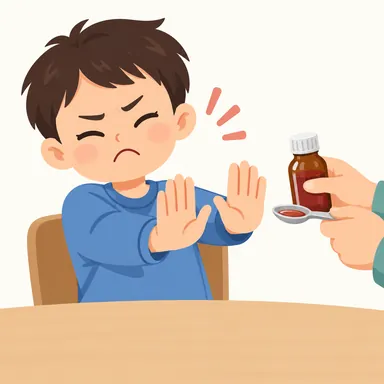
medicine: something you take when you are ill
medicineA1
/ˈmedɪsɪn/

something you take when you are ill

nurse: a person who looks after sick people in a hospital

nurseA1
/nɜːrs/

a person who looks after sick people in a hospital

sick: not well
sickA1
/sɪk/

not well

A2Health vocabulary · A2(23 words)

A2 pathway

accident: something bad that happens by chance
accidentA2
/ˈæksɪdənt/

something bad that happens by chance

ambulance: a vehicle that takes ill people to hospital

ambulanceA2
/ˈæmbjələns/

a vehicle that takes ill people to hospital

appointment: a time you arrange to meet someone
appointmentA2
/əˈpɔɪntmənt/

a time you arrange to meet someone

avoid: to keep away from something
avoidA2
/əˈvɔɪd/

to keep away from something

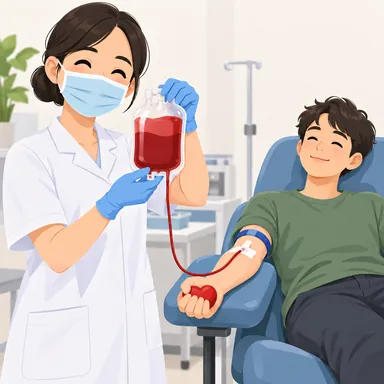
blood: the red liquid inside your body
bloodA2
/blʌd/

the red liquid inside your body

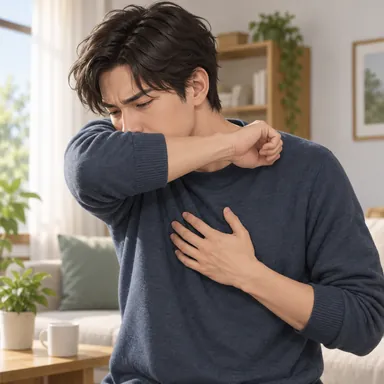
cough: a sudden loud sound from your throat when you are ill

coughA2
/kɔːf/

a sudden loud sound from your throat when you are ill

dentist: a doctor who looks after teeth
dentistA2
/ˈdentɪst/

a doctor who looks after teeth

diet: the food a person usually eats
dietA2
/ˈdaɪət/

the food a person usually eats

energy: the strength you need to do things
energyA2
/ˈenərdʒi/

the strength you need to do things

exercise: activity that keeps your body strong
exerciseA2
/ˈeksərsaɪz/

activity that keeps your body strong

fever: a body temperature higher than normal

feverA2
/ˈfiːvər/

a body temperature higher than normal

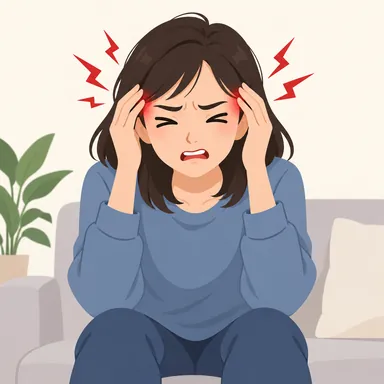
headache: a pain in your head
headacheA2
/ˈhedeɪk/

a pain in your head

heart: the part of the body that moves the blood

heartA2
/hɑːrt/

the part of the body that moves the blood

hospital bed: a bed for a patient in a hospital
hospital bedA2
/ˈhɑːspɪtəl bed/

a bed for a patient in a hospital

injury: harm done to your body
injuryA2
/ˈɪndʒəri/

harm done to your body

pain: the bad feeling when part of your body hurts

painA2
/peɪn/

the bad feeling when part of your body hurts

patient: able to wait without getting angry
patientA2
/ˈpeɪʃənt/

able to wait without getting angry

pharmacy: a shop that sells medicine
pharmacyA2
/ˈfɑːrməsi/

a shop that sells medicine

skin: the outer cover of your body
skinA2
/skɪn/

the outer cover of your body

soap: what you wash with
soapA2
/soʊp/

what you wash with

Showing 20 of 23 wordsUnlock the other 3 words

B1Health vocabulary · B1(46 words)

B1 pathway

achieve balance: to give the right amount of time to each part of life

achieve balanceB1
/əˈtʃiːv ˈbæləns/

to give the right amount of time to each part of life

allergy: a bad reaction of the body to a food or a material

allergyB1
/ˈælərdʒi/

a bad reaction of the body to a food or a material

balance: a state where nothing has too much weight

balanceB1
/ˈbæləns/

a state where nothing has too much weight

benefit: a good result you get from something
benefitB1
/ˈbenɪfɪt/

a good result you get from something

bleed: to lose blood
bleedB1
/bliːd/

to lose blood

breathe: to take air in and out of the body
breatheB1
/briːð/

to take air in and out of the body

clinic: a small place where you see a doctor
clinicB1
/ˈklɪnɪk/

a small place where you see a doctor

cure: to make an illness go away
cureB1
/kjʊr/

to make an illness go away

cut down on: to use less of something
cut down onB1
/kʌt daʊn ɑːn/

to use less of something

cut out: to stop doing or eating something completely

cut outB1
/kʌt aʊt/

to stop doing or eating something completely

disease: a serious illness with a name
diseaseB1
/dɪˈziːz/

a serious illness with a name

dizzy: feeling that things are turning around you
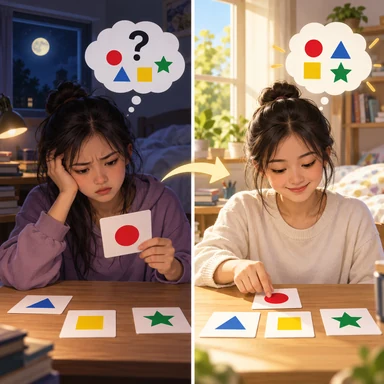
dizzyB1
/ˈdɪzi/

feeling that things are turning around you

effect on: the change something causes in a thing

effect onB1
/ɪˈfekt ɑːn/

the change something causes in a thing

exhausted: extremely tired
exhaustedB1
/ɪgˈzɔːstɪd/

extremely tired

habit: something you do often without thinking

habitB1
/ˈhæbɪt/

something you do often without thinking

harmful: able to cause damage
harmfulB1
/ˈhɑːrmfəl/

able to cause damage

have trouble: to find something hard to do
have troubleB1
/hæv ˈtrʌbəl/

to find something hard to do

healthcare: the service that looks after people's health

healthcareB1
/ˈhelθker/

the service that looks after people's health

hygiene: keeping things clean to stay healthy
hygieneB1
/ˈhaɪdʒiːn/

keeping things clean to stay healthy

illness: a period of being unwell
illnessB1
/ˈɪlnəs/

a period of being unwell

Showing 20 of 46 wordsUnlock the other 26 words

B2Health vocabulary · B2(133 words)

B2 pathway

acute: severe and beginning suddenly
acuteB2
/əˈkjuːt/

severe and beginning suddenly

addiction: a need you cannot control
addictionB2
/əˈdɪkʃən/

a need you cannot control

additive: a substance added to food to keep or color it

additiveB2
/ˈædɪtɪv/

a substance added to food to keep or color it

aggravate: to make a bad situation worse
aggravateB2
/ˈægrəveɪt/

to make a bad situation worse

aging population: a society where the share of old people grows

aging populationB2
/ˈeɪdʒɪŋ ˌpɑːpjəˈleɪʃən/

a society where the share of old people grows

alleviate: to make pain or a problem less severe

alleviateB2
/əˈliːviet/

to make pain or a problem less severe

ambulance service: the organization that takes ill people to hospital

ambulance serviceB2
/ˈæmbjələns ˈsɜːrvɪs/

the organization that takes ill people to hospital

antibiotic: a medicine that kills bacteria
antibioticB2
/ˌæntibaɪˈɑːtɪk/

a medicine that kills bacteria

anxiety: a strong feeling of worry
anxietyB2
/æŋˈzaɪəti/

a strong feeling of worry

appetite: the wish to eat
appetiteB2
/ˈæpɪtaɪt/

the wish to eat

attention span: how long you can stay focused
attention spanB2
/əˈtenʃən spæn/

how long you can stay focused

bacteria: very small living things that can cause illness

bacteriaB2
/bækˈtɪriə/

very small living things that can cause illness

beneficial: having a good effect
beneficialB2
/ˌbenɪˈfɪʃəl/

having a good effect

burn out: to become exhausted from working too hard

burn outB2
/bɜːrn aʊt/

to become exhausted from working too hard

burnout: exhaustion caused by long stress at work

burnoutB2
/ˈbɜːrnaʊt/

exhaustion caused by long stress at work

calorie: a unit for measuring energy in food
calorieB2
/ˈkæləri/

a unit for measuring energy in food

carbohydrate: a food substance that gives the body energy

carbohydrateB2
/ˌkɑːrboʊˈhaɪdreɪt/

a food substance that gives the body energy

cardiovascular: relating to the heart and blood vessels

cardiovascularB2
/ˌkɑːrdioʊˈvæskjələr/

relating to the heart and blood vessels

casualty: a person hurt or killed in an event
casualtyB2
/ˈkæʒuəlti/

a person hurt or killed in an event

cell: the smallest unit of a living thing
cellB2
/sel/

the smallest unit of a living thing

Showing 20 of 133 wordsUnlock the other 113 words

C1Health vocabulary · C1(254 words)

C1 pathway

abstinence: the choice to go entirely without something

abstinenceC1
/ˈæbstɪnəns/

the choice to go entirely without something

acuity: sharpness of perception or judgement
acuityC1
/əˈkjuəti/

sharpness of perception or judgement

adherence to treatment: the extent to which a patient follows medical advice

adherence to treatmentC1
/ədˈhɪrəns tuː ˈtriːtmənt/

the extent to which a patient follows medical advice

advance directive: written medical instructions made before you fall ill

advance directiveC1
/ədˈvæns dəˈrektɪv/

written medical instructions made before you fall ill

adverse effect: a harmful reaction to a treatment
adverse effectC1
/ædˈvɜːrs ɪˈfekt/

a harmful reaction to a treatment

alert fatigue: the dulling of response caused by too many warnings

alert fatigueC1
/əˈlɜːrt fəˈtiːg/

the dulling of response caused by too many warnings

analgesic: a medicine that relieves pain
analgesicC1
/ˌænəlˈdʒiːzɪk/

a medicine that relieves pain

anesthetic: a substance that removes feeling before an operation

anestheticC1
/ˌænəsˈθetɪk/

a substance that removes feeling before an operation

antenatal: happening before birth
antenatalC1
/ˌæntiˈneɪtəl/

happening before birth

anti-inflammatory: a medicine that reduces swelling
anti-inflammatoryC1
/ˌænti ɪnˈflæmətɔːri/

a medicine that reduces swelling

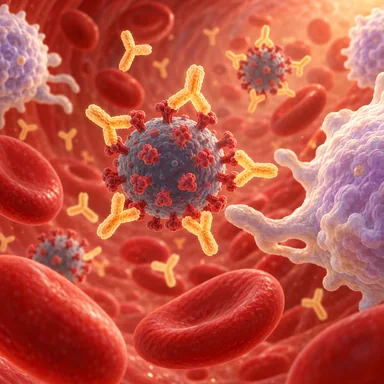
antibody: a substance the body makes to fight infection
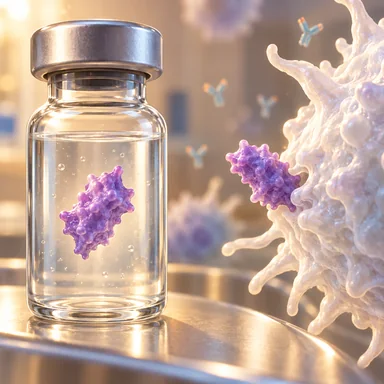
antibodyC1
/ˈæntɪbɑːdi/

a substance the body makes to fight infection

antigen: a substance that causes the body to make antibodies

antigenC1
/ˈæntɪdʒən/

a substance that causes the body to make antibodies

antimicrobial resistance: the loss of effect of drugs against germs

antimicrobial resistanceC1
/ˌæntimaɪˈkroʊbiəl rɪˈzɪstəns/

the loss of effect of drugs against germs

asymptomatic: carrying a disease without showing signs

asymptomaticC1
/ˌeɪsɪmptəˈmætɪk/

carrying a disease without showing signs

audit cycle: a repeated round of checking and improving

audit cycleC1
/ˈɔːdɪt ˈsaɪkəl/

a repeated round of checking and improving

autonomy at work: the freedom to decide how you do your job

autonomy at workC1
/ɔːˈtɑːnəmi æt wɜːrk/

the freedom to decide how you do your job

bank staff: workers kept on call to cover shortages

bank staffC1
/bæŋk stæf/

workers kept on call to cover shortages

be on the mend: to be recovering
be on the mendC1
/biː ɑːn ðə mend/

to be recovering

bed occupancy: the share of hospital beds in use
bed occupancyC1
/bed ˈɑːkjəpənsi/

the share of hospital beds in use

bedridden: unable to get out of bed because of illness
bedriddenC1
/ˈbedrɪdən/

unable to get out of bed because of illness

Showing 20 of 254 wordsUnlock the other 234 words

C2Health vocabulary · C2(186 words)

C2 pathway

abreaction: release of tension by reliving a buried experience
abreactionC2
/ˌæbriˈækʃən/

release of tension by reliving a buried experience

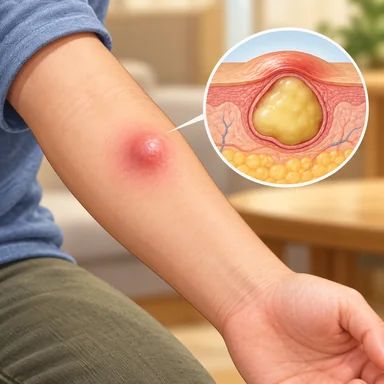
abscess: a swollen pocket of pus in the body
abscessC2
/ˈæbses/

a swollen pocket of pus in the body

abstemious: sparing in eating and drinking
abstemiousC2
/æbˈstiːmiəs/

sparing in eating and drinking

abstinent from drink: refraining entirely from alcohol
abstinent from drinkC2
/ˈæbstɪnənt frəm drɪŋk/

refraining entirely from alcohol

abulia: a loss of the will to act or decide
abuliaC2
/əˈbuːliə/

a loss of the will to act or decide

adjuvant therapy: treatment added after the main treatment

adjuvant therapyC2
/ˈædʒəvənt ˈθerəpi/

treatment added after the main treatment

affect regulation: the managing of your own emotional states

affect regulationC2
/ˈæfekt ˌregjəˈleɪʃən/

the managing of your own emotional states

afferent nerve: a nerve carrying signals towards the centre

afferent nerveC2
/ˈæfərənt nɜːrv/

a nerve carrying signals towards the centre

aggravate a wound: to make an injury worse
aggravate a woundC2
/ˈægrəveɪt ə wuːnd/

to make an injury worse

agnosia: an inability to recognize things although the senses work
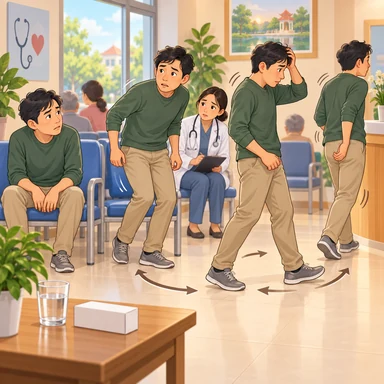
agnosiaC2
/ægˈnoʊʒə/

an inability to recognize things although the senses work

akathisia: a restlessness that makes it impossible to sit still

akathisiaC2
/ˌækəˈθɪziə/

a restlessness that makes it impossible to sit still

alexithymia: difficulty in naming your own feelings

alexithymiaC2
/əˌleksɪˈθaɪmiə/

difficulty in naming your own feelings

allele: one of the alternative forms of a gene
alleleC2
/əˈliːl/

one of the alternative forms of a gene

analgesia: a state in which pain is not felt
analgesiaC2
/ˌænəlˈdʒiːziə/

a state in which pain is not felt

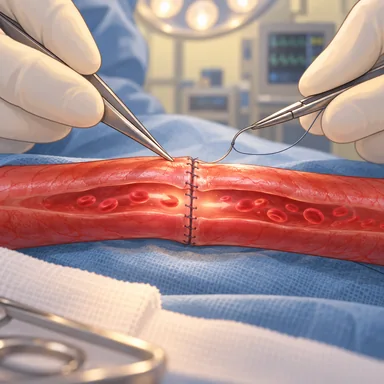
anastomosis: a surgical or natural join between two tubes

anastomosisC2
/əˌnæstəˈmoʊsɪs/

a surgical or natural join between two tubes

ancillary staff: employees supporting the main professional work

ancillary staffC2
/ˈænsəleri stæf/

employees supporting the main professional work

anhedonia: the loss of any capacity to feel pleasure

anhedoniaC2
/ˌænhɪˈdoʊniə/

the loss of any capacity to feel pleasure

anosmia: the loss of the sense of smell
anosmiaC2
/æˈnɑːzmiə/

the loss of the sense of smell

anticoagulant: a drug that stops blood clotting
anticoagulantC2
/ˌæntikoʊˈægjələnt/

a drug that stops blood clotting

aphasia: loss of the ability to use language
aphasiaC2
/əˈfeɪʒə/

loss of the ability to use language

Showing 20 of 186 wordsUnlock the other 166 words

Related topics

Topics that share the most words with Health — the cheapest place to go next.

Learn English vocabulary — Health topic

The Health topic set gathers 647 common English words across CEFR A1–C2. Instead of learning by scattered alphabetical lists, you learn whole word clusters in the Health context — which helps learners associate them more easily and remember them longer.

Every word has clear IPA and English meanings. Read each word aloud, build example sentences, then review with flashcards so your Health vocabulary enters long-term memory. Once you're comfortable with this topic, browse more English vocabulary topics to expand your vocabulary alongside the CEFR pathway.

Frequently asked questions