Vocabulary topic

English vocabulary — Nature topic

602 words · CEFR A1–C2

Total words602
CEFR levelsA1–C2
Native audioYes

A roundup of 602 English vocabulary words for the Nature topic across CEFR A1–C2, grouped by meaning and with IPA and English meanings. Learning Nature vocabulary in context helps you remember it longer and use it right away in conversation. Tap Study flashcards to review, or browse more English vocabulary by topic and the A1–C2 pathway.

A1Nature vocabulary · A1(10 words)Free

A1 pathway

beach: the land of sand next to the sea
beachA1
/biːtʃ/

the land of sand next to the sea

cloud: white or gray air high in the sky that can bring rain

cloudA1
/klaʊd/

white or gray air high in the sky that can bring rain

flower: the colored part of a plant
flowerA1
/ˈflaʊər/

the colored part of a plant

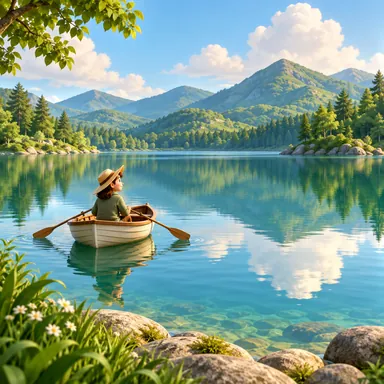
mountain: a very high piece of land
mountainA1
/ˈmaʊntən/

a very high piece of land

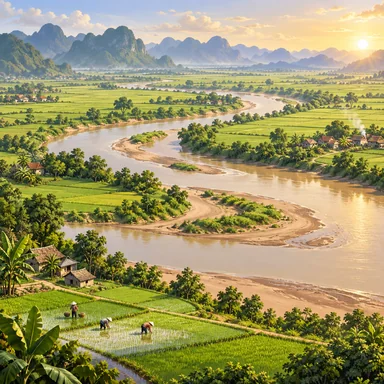
river: a long line of water going to the sea
riverA1
/ˈrɪvər/

a long line of water going to the sea

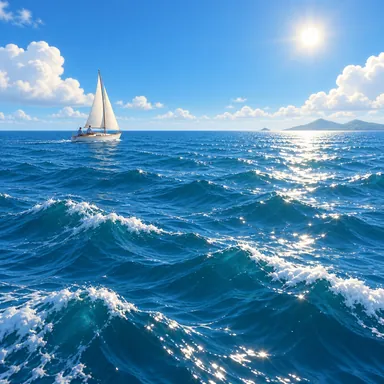
sea: the salt water that covers much of the world
seaA1
/siː/

the salt water that covers much of the world

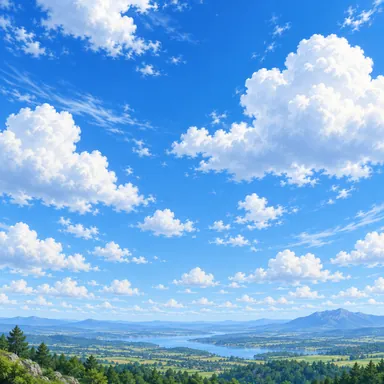
sky: the space above you when you are outside
skyA1
/skaɪ/

the space above you when you are outside

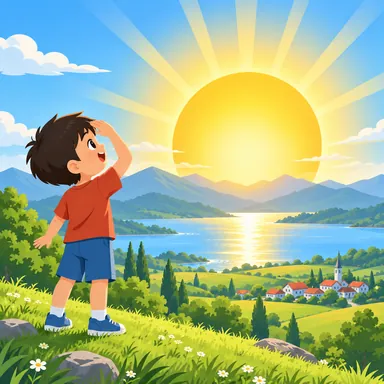
sun: the star that gives light to the world
sunA1
/sʌn/

the star that gives light to the world

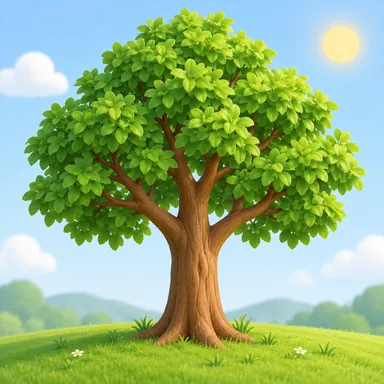
tree: a tall plant with a trunk and branches

treeA1
/triː/

a tall plant with a trunk and branches

wind: air that moves
windA1
/wɪnd/

air that moves

A2Nature vocabulary · A2(19 words)

A2 pathway
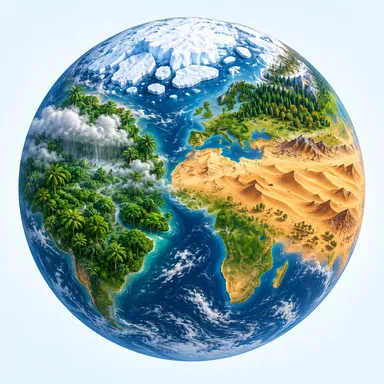
climate: the usual weather of a place
climateA2
/ˈklaɪmɪt/

the usual weather of a place

deep: going a long way down
deepA2
/diːp/

going a long way down

desert: a large dry area of sand
desertA2
/ˈdezərt/

a large dry area of sand

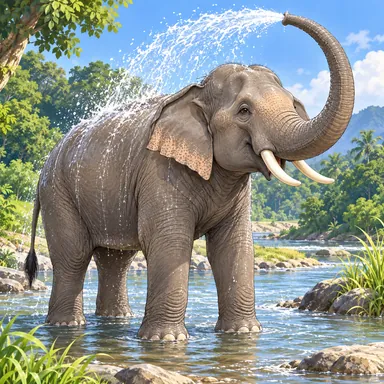
elephant: a very large gray animal with a long nose
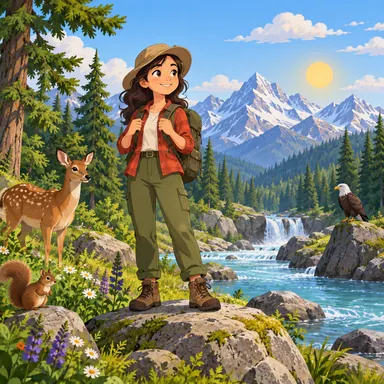
elephantA2
/ˈeləfənt/

a very large gray animal with a long nose

environment: the air, water and land around us
environmentA2
/ɪnˈvaɪrənmənt/

the air, water and land around us

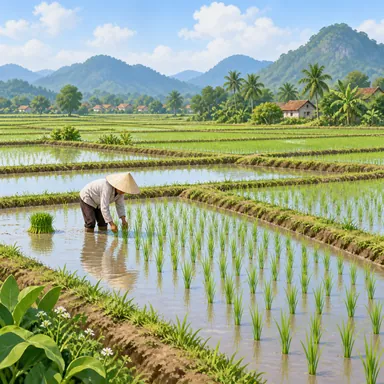
field: a piece of land used for growing food
fieldA2
/fiːld/

a piece of land used for growing food

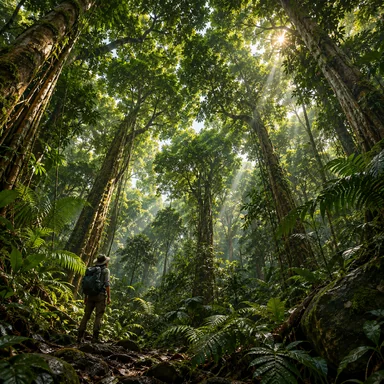
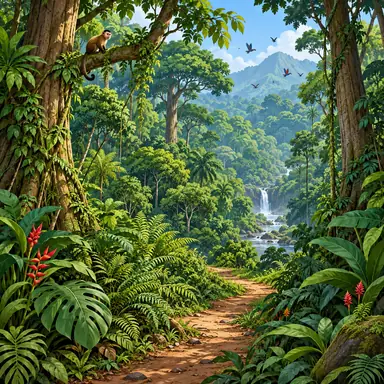
forest: a large area with many trees
forestA2
/ˈfɔːrɪst/

a large area with many trees

grow: to plant and look after food
growA2
/groʊ/

to plant and look after food

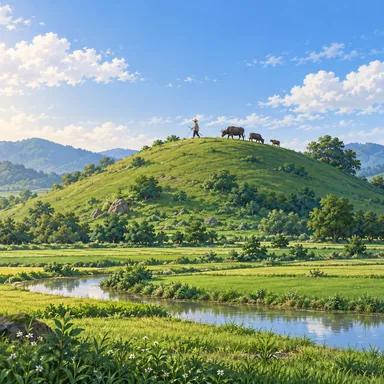
hill: a high area of land, smaller than a mountain
hillA2
/hɪl/

a high area of land, smaller than a mountain

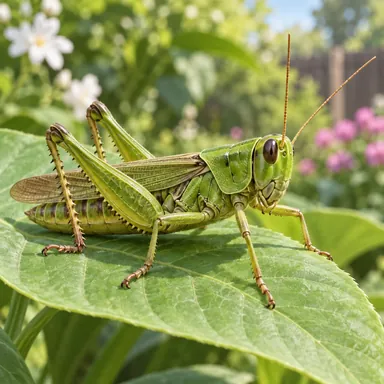
insect: a very small animal with six legs
insectA2
/ˈɪnsekt/

a very small animal with six legs

island: land with water all around it
islandA2
/ˈaɪlənd/

land with water all around it

lake: a large area of water with land all around
lakeA2
/leɪk/

a large area of water with land all around

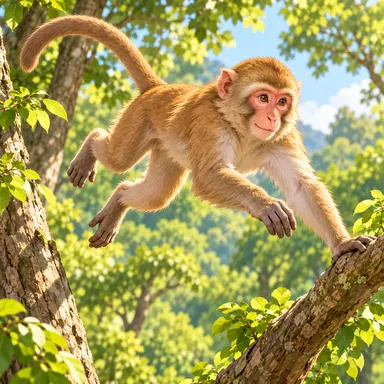
monkey: an animal that climbs trees and has a long tail
monkeyA2
/ˈmʌŋki/

an animal that climbs trees and has a long tail

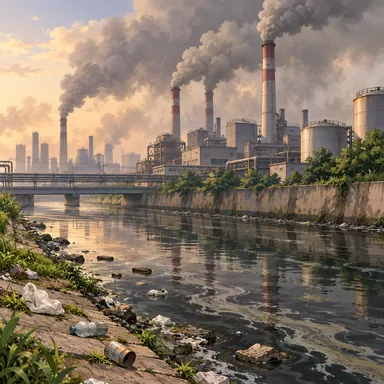
pollution: dirty air, water or land
pollutionA2
/pəˈluːʃən/

dirty air, water or land

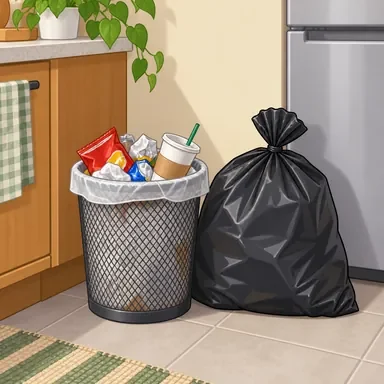
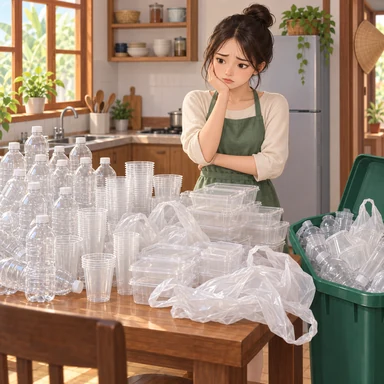
rubbish: things you throw away
rubbishA2
/ˈrʌbɪʃ/

things you throw away

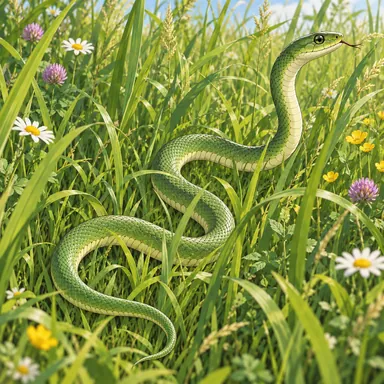
snake: a long animal with no legs
snakeA2
/sneɪk/

a long animal with no legs

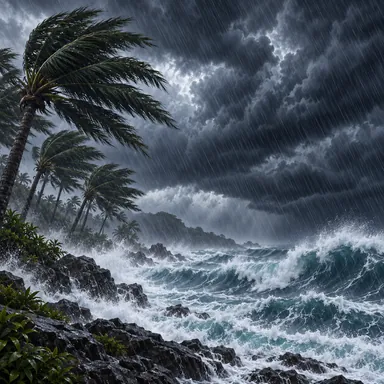
storm: very bad weather with strong wind and rain
stormA2
/stɔːrm/

very bad weather with strong wind and rain

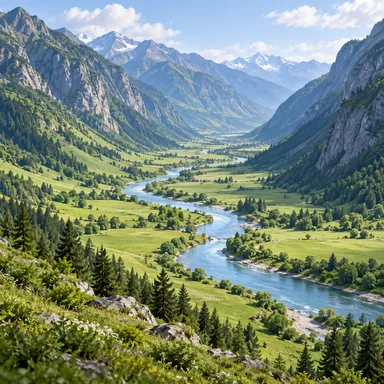
valley: low land between hills
valleyA2
/ˈvæli/

low land between hills

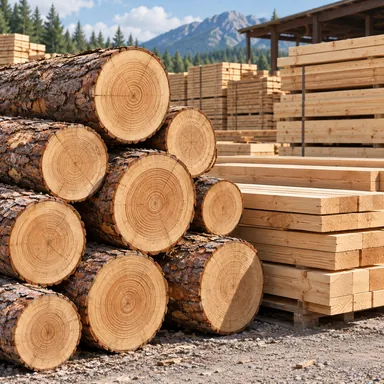
wood: the hard material trees are made of
woodA2
/wʊd/

the hard material trees are made of

B1Nature vocabulary · B1(24 words)

B1 pathway
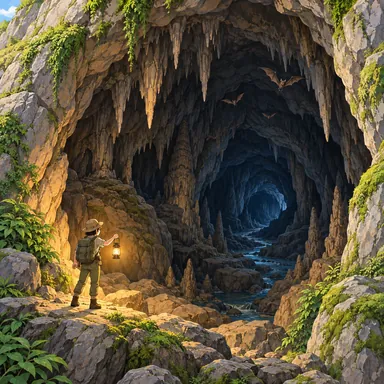
cave: a large hole in a hill or under the ground
caveB1
/keɪv/

a large hole in a hill or under the ground

climate change: the slow change in the world's weather

climate changeB1
/ˈklaɪmɪt tʃeɪndʒ/

the slow change in the world's weather

coast: the land next to the sea
coastB1
/koʊst/

the land next to the sea

consume: to use up food, fuel or time
consumeB1
/kənˈsuːm/

to use up food, fuel or time

damage: harm that makes something less good
damageB1
/ˈdæmɪdʒ/

harm that makes something less good

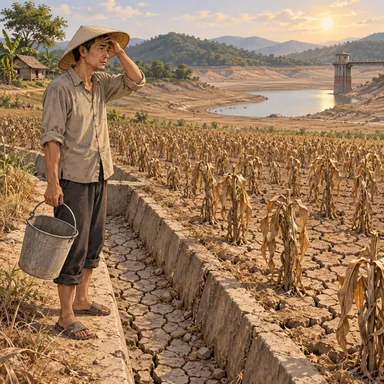
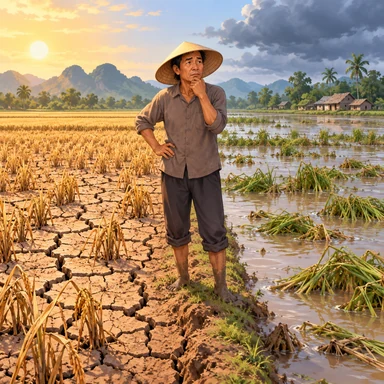
drought: a long time with no rain
droughtB1
/draʊt/

a long time with no rain

earthquake: a sudden shaking of the ground
earthquakeB1
/ˈɜːrθkweɪk/

a sudden shaking of the ground

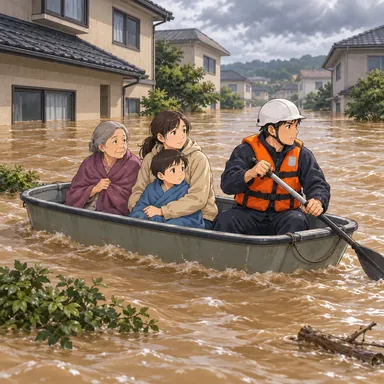
flood: a large amount of water covering dry land

floodB1
/flʌd/

a large amount of water covering dry land

fuel: material burned to give power
fuelB1
/ˈfjuəl/

material burned to give power

land: to come down onto the ground, for a plane
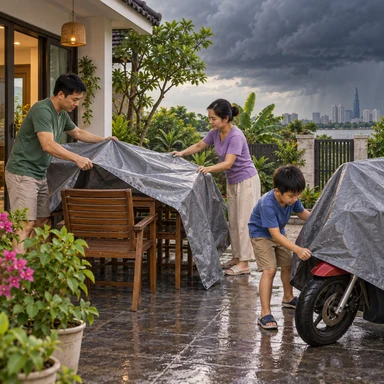
landB1
/lænd/

to come down onto the ground, for a plane

prevent damage: to stop harm before it happens
prevent damageB1
/prɪˈvent ˈdæmɪdʒ/

to stop harm before it happens

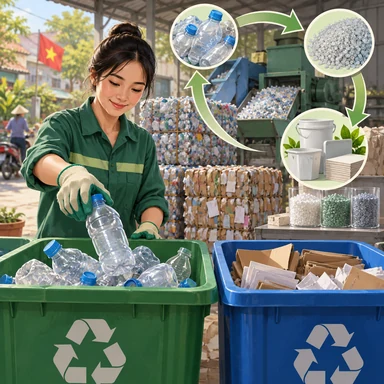
recycling: treating used things so they can be used again
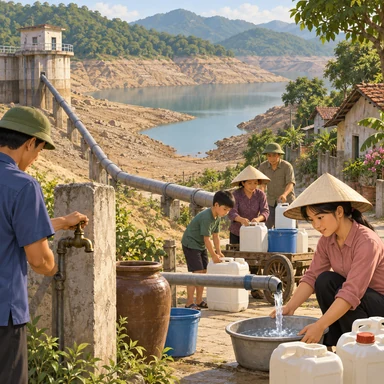
recyclingB1
/riːˈsaɪklɪŋ/

treating used things so they can be used again

resource: something a country or a company can use

resourceB1
/ˈriːsɔːrs/

something a country or a company can use

scenery: the natural view around a place
sceneryB1
/ˈsiːnəri/

the natural view around a place

separate: to divide into parts
separateB1
/ˈsepəreɪt/

to divide into parts

solar: of or from the sun
solarB1
/ˈsoʊlər/

of or from the sun

species: a group of living things of the same kind

speciesB1
/ˈspiːʃiz/

a group of living things of the same kind

steep: rising or falling sharply
steepB1
/stiːp/

rising or falling sharply

sunrise: the time when the sun comes up
sunriseB1
/ˈsʌnraɪz/

the time when the sun comes up

sunset: the time when the sun goes down
sunsetB1
/ˈsʌnset/

the time when the sun goes down

Showing 20 of 24 wordsUnlock the other 4 words

B2Nature vocabulary · B2(99 words)

B2 pathway
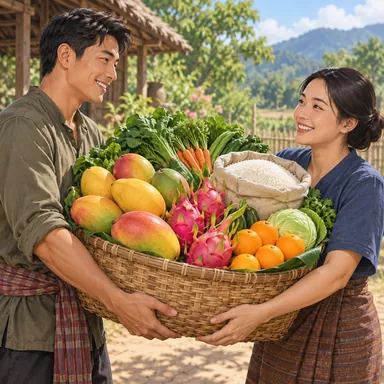
abundant: present in large amounts
abundantB2
/əˈbʌndənt/

present in large amounts

altitude: the height above sea level
altitudeB2
/ˈæltɪtuːd/

the height above sea level

amphibian: an animal that lives both in water and on land
amphibianB2
/æmˈfɪbiən/

an animal that lives both in water and on land

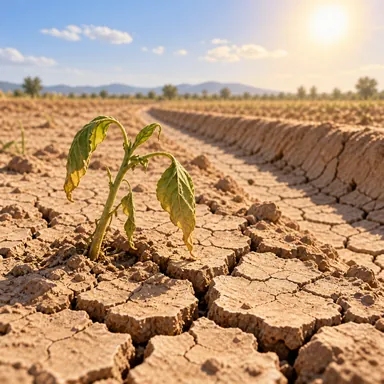
arid: very dry, with almost no rain
aridB2
/ˈerɪd/

very dry, with almost no rain

atmosphere: the air around the earth
atmosphereB2
/ˈætməsfɪr/

the air around the earth

biodegradable: able to break down naturally
biodegradableB2
/ˌbaɪoʊdɪˈgreɪdəbəl/

able to break down naturally

biodiversity: the variety of living things in a place
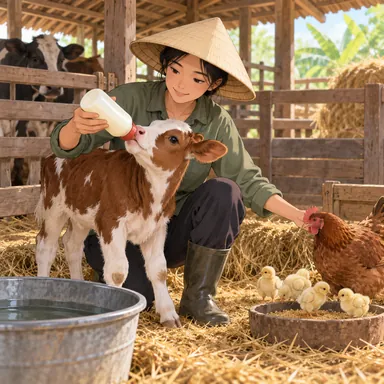
biodiversityB2
/ˌbaɪoʊdaɪˈvɜːrsəti/

the variety of living things in a place

breed: to keep animals so they produce young
breedB2
/briːd/

to keep animals so they produce young

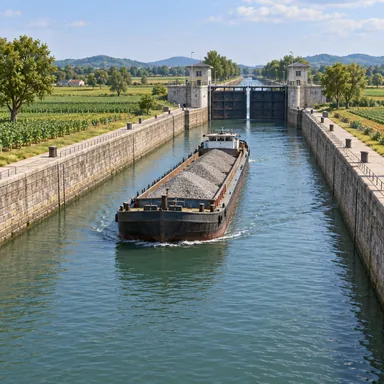
canal: a waterway dug by people
canalB2
/kəˈnæl/

a waterway dug by people

carbon footprint: the amount of carbon gas an activity causes
carbon footprintB2
/ˈkɑːrbən ˈfʊtprɪnt/

the amount of carbon gas an activity causes

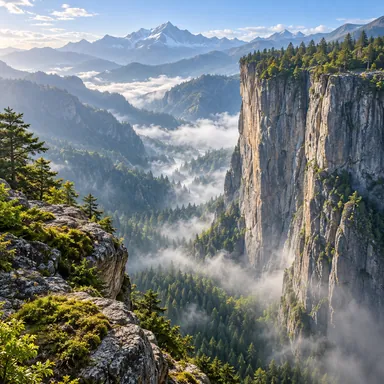
cliff: a high steep face of rock
cliffB2
/klɪf/

a high steep face of rock

compost: rotted plant matter used to feed soil
compostB2
/ˈkɑːmpoʊst/

rotted plant matter used to feed soil

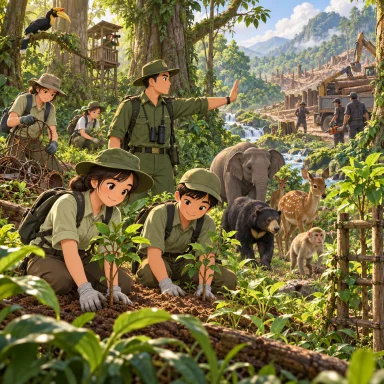
conservation: the protection of nature or old buildings
conservationB2
/ˌkɑːnsərˈveɪʃən/

the protection of nature or old buildings

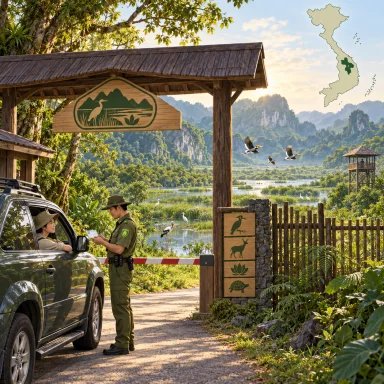
conservation area: a place protected by law
conservation areaB2
/ˌkɑːnsərˈveɪʃən ˈeriə/

a place protected by law

contaminate: to make something dirty or unsafe
contaminateB2
/kənˈtæmɪneɪt/

to make something dirty or unsafe

crop: a plant grown in large amounts for food
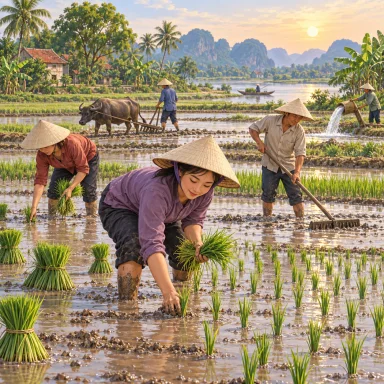
cropB2
/krɑːp/

a plant grown in large amounts for food

cultivate: to prepare land and grow plants on it
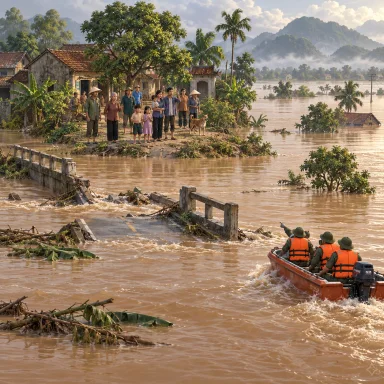
cultivateB2
/ˈkʌltɪveɪt/

to prepare land and grow plants on it

cut off: to stop a supply or separate from others
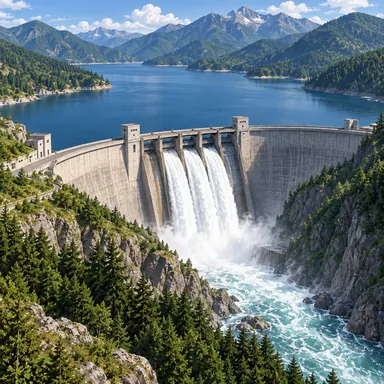
cut offB2
/kʌt ɔːf/

to stop a supply or separate from others

dam: a wall built to hold back water
damB2
/dæm/

a wall built to hold back water

dawn chorus: the sound of birds singing at sunrise
dawn chorusB2
/dɔːn ˈkɔːrəs/

the sound of birds singing at sunrise

Showing 20 of 99 wordsUnlock the other 79 words

C1Nature vocabulary · C1(162 words)

C1 pathway

abate: to become less strong
abateC1
/əˈbeɪt/

to become less strong

acidification: the process of becoming more acid
acidificationC1
/əˌsɪdɪfɪˈkeɪʃən/

the process of becoming more acid

aftershock: a smaller earthquake following a large one

aftershockC1
/ˈæftərʃɑːk/

a smaller earthquake following a large one

albedo: how much light a surface reflects
albedoC1
/ælˈbiːdoʊ/

how much light a surface reflects

allotment: a small public plot rented for growing vegetables
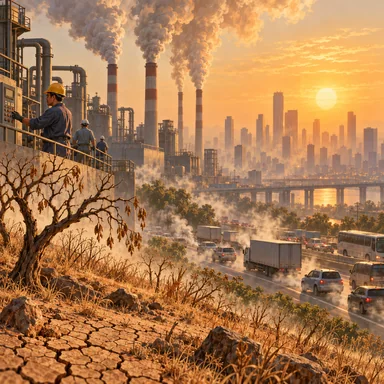
allotmentC1
/əˈlɑːtmənt/

a small public plot rented for growing vegetables

anthropogenic: caused by human activity
anthropogenicC1
/ˌænθrəpəˈdʒenɪk/

caused by human activity

apex predator: the animal at the top of a food chain
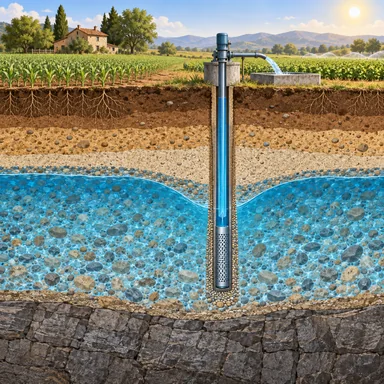
apex predatorC1
/ˈeɪpeks ˈpredətər/

the animal at the top of a food chain

aquifer: a layer of rock that holds groundwater
aquiferC1
/ˈækwɪfər/

a layer of rock that holds groundwater

arable: suitable for growing crops
arableC1
/ˈærəbəl/

suitable for growing crops

barren: unable to support plant growth
barrenC1
/ˈbærən/

unable to support plant growth

battery farming: the raising of animals in small cages
battery farmingC1
/ˈbætəri ˈfɑːrmɪŋ/

the raising of animals in small cages

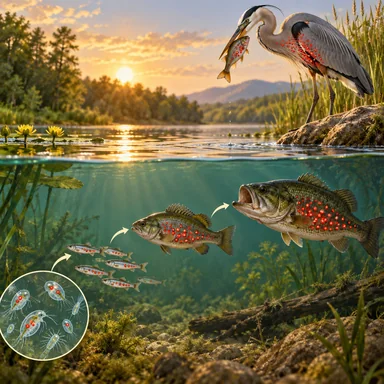
bioaccumulation: the build-up of toxins in a living body
bioaccumulationC1
/ˌbaɪoʊəkjuːmjəˈleɪʃən/

the build-up of toxins in a living body

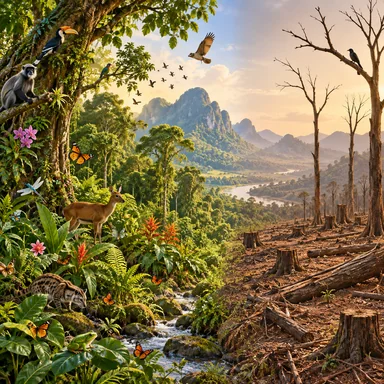
biodiversity loss: the decline in the variety of living things
biodiversity lossC1
/ˌbaɪoʊdaɪˈvɜːrsəti lɔːs/

the decline in the variety of living things

biomass: the total mass of living material
biomassC1
/ˈbaɪoʊmæs/

the total mass of living material

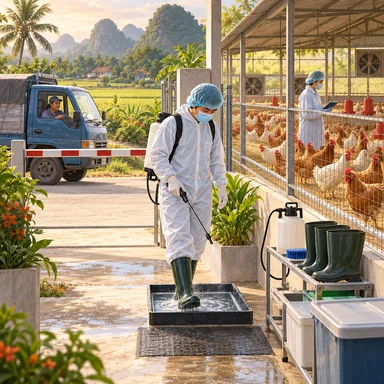
biosecurity: measures that stop disease spreading between places

biosecurityC1
/ˌbaɪoʊsɪˈkjʊrəti/

measures that stop disease spreading between places

breakwater: a barrier built to calm the sea
breakwaterC1
/ˈbreɪkwɔːtər/

a barrier built to calm the sea

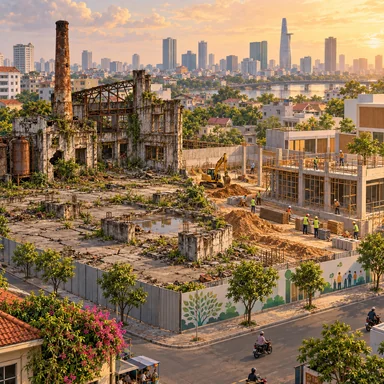
brownfield site: land already built on and now unused
brownfield siteC1
/ˈbraʊnfiːld saɪt/

land already built on and now unused

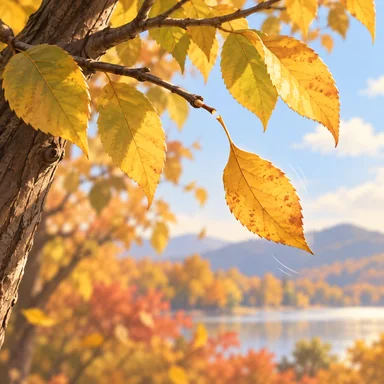
canopy: the layer formed by the tops of trees
canopyC1
/ˈkænəpi/

the layer formed by the tops of trees

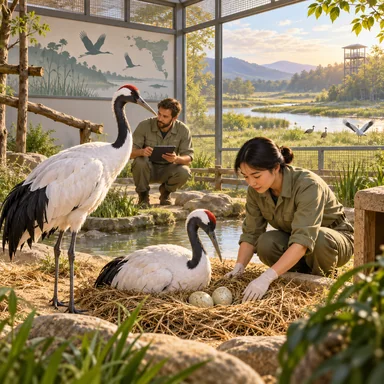
captive breeding: the raising of wild species under human care
captive breedingC1
/ˈkæptɪv ˈbriːdɪŋ/

the raising of wild species under human care

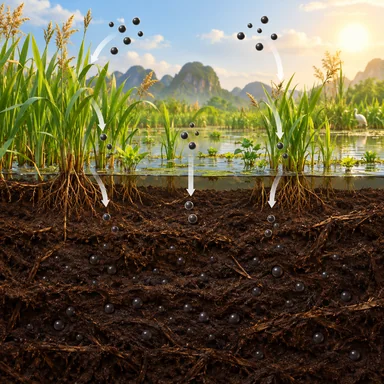
carbon sink: something that absorbs more carbon than it releases
carbon sinkC1
/ˈkɑːrbən sɪŋk/

something that absorbs more carbon than it releases

Showing 20 of 162 wordsUnlock the other 142 words

C2Nature vocabulary · C2(288 words)

C2 pathway
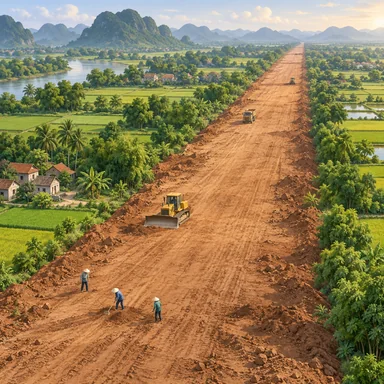
a swathe of land: a long broad strip of ground
a swathe of landC2
/ə sweɪð əv lænd/

a long broad strip of ground

abiotic factor: a non-living influence in an environment
abiotic factorC2
/ˌeɪbaɪˈɑːtɪk ˈfæktər/

a non-living influence in an environment

abscission of a leaf: the natural shedding of a leaf from a plant
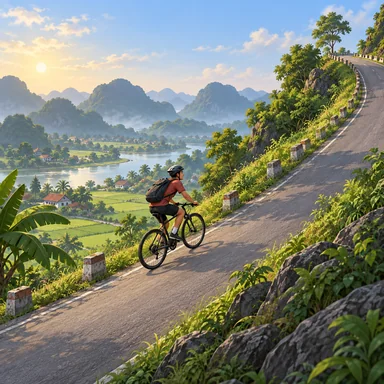
abscission of a leafC2
/æbˈsɪʒən əv ə liːf/

the natural shedding of a leaf from a plant

acclivity: an upward slope
acclivityC2
/əˈklɪvəti/

an upward slope

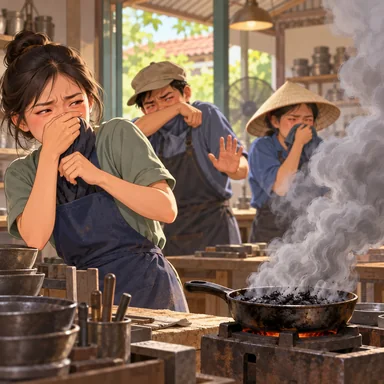
acrid: sharp and bitter to smell or taste
acridC2
/ˈækrɪd/

sharp and bitter to smell or taste

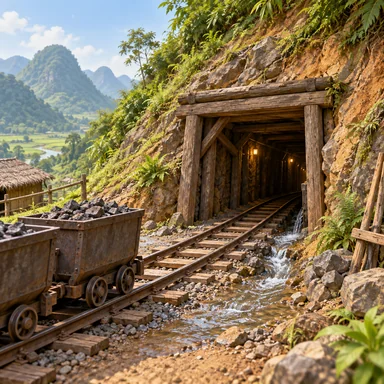
adit: a horizontal entrance into a mine
aditC2
/ˈædɪt/

a horizontal entrance into a mine

admixture: something mixed in as an addition
admixtureC2
/ædˈmɪkstʃər/

something mixed in as an addition

adumbral shade: the dim shade cast under something
adumbral shadeC2
/æˈdʌmbrəl ʃeɪd/

the dim shade cast under something

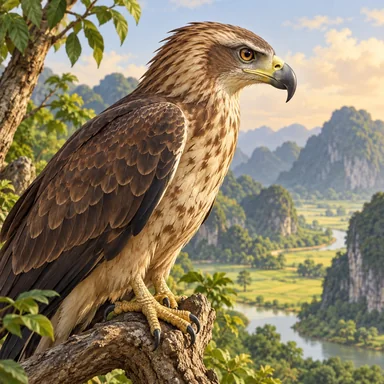
aduncous: hooked and curved like a beak
aduncousC2
/əˈdʌŋkəs/

hooked and curved like a beak

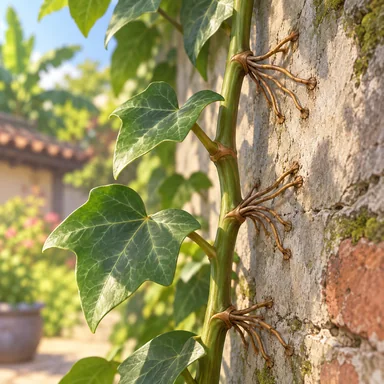
adventitious root: a root growing from an unusual part of a plant
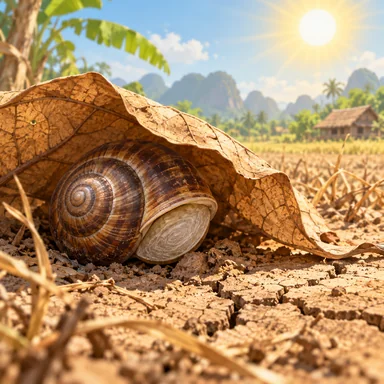
adventitious rootC2
/ˌædvenˈtɪʃəs ruːt/

a root growing from an unusual part of a plant

aestivation: a dormant state passed through the hot season
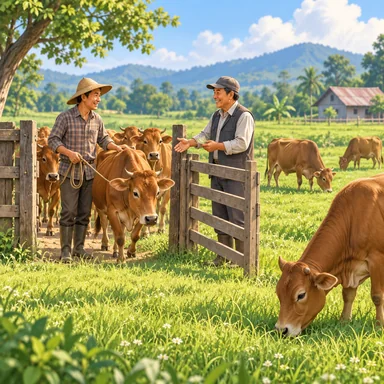
aestivationC2
/ˌestɪˈveɪʃən/

a dormant state passed through the hot season

agist cattle: to take in livestock to graze for a fee
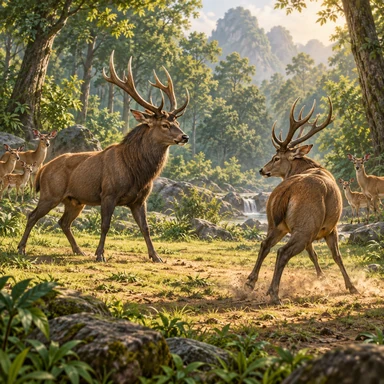
agist cattleC2
/əˈdʒɪst ˈkætəl/

to take in livestock to graze for a fee

agonistic display: a threatening show between rival animals
agonistic displayC2
/ˌægəˈnɪstɪk dɪˈspleɪ/

a threatening show between rival animals

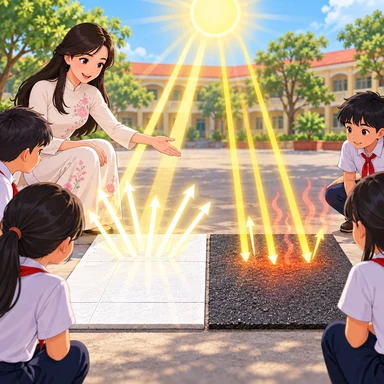
albedo of a surface: how much light a surface reflects
albedo of a surfaceC2
/ælˈbiːdoʊ əv ə ˈsɜːrfɪs/

how much light a surface reflects

alluvial plain: flat land built up from river-borne soil
alluvial plainC2
/əˈluːviəl pleɪn/

flat land built up from river-borne soil

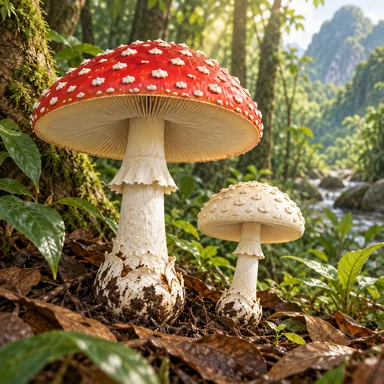
amanita mushroom: a genus of fungus including several deadly species
amanita mushroomC2
/ˌæməˈniːtə ˈmʌʃruːm/

a genus of fungus including several deadly species

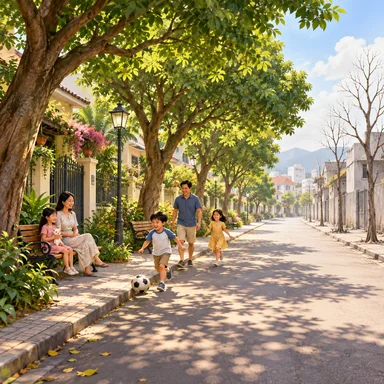
amenity value: the worth of a place for pleasantness and setting
amenity valueC2
/əˈmenəti ˈvæljuː/

the worth of a place for pleasantness and setting

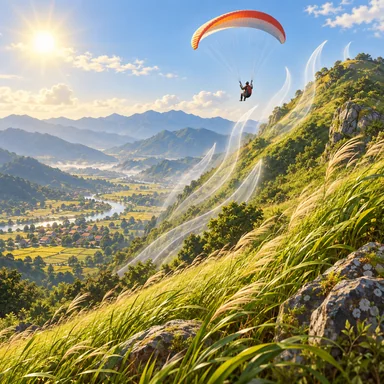
anabatic wind: a wind flowing up a slope as the day warms

anabatic windC2
/ˌænəˈbætɪk wɪnd/

a wind flowing up a slope as the day warms

anticyclone: a high-pressure system bringing settled weather
anticycloneC2
/ˌæntiˈsaɪkloʊn/

a high-pressure system bringing settled weather

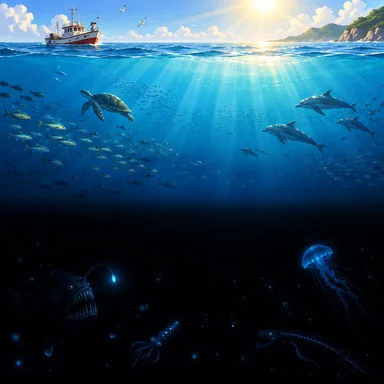
aphotic depth: the depth at which no light remains
aphotic depthC2
/eɪˈfoʊtɪk depθ/

the depth at which no light remains

Showing 20 of 288 wordsUnlock the other 268 words

Related topics

Topics that share the most words with Nature — the cheapest place to go next.

Learn English vocabulary — Nature topic

The Nature topic set gathers 602 common English words across CEFR A1–C2. Instead of learning by scattered alphabetical lists, you learn whole word clusters in the Nature context — which helps learners associate them more easily and remember them longer.

Every word has clear IPA and English meanings. Read each word aloud, build example sentences, then review with flashcards so your Nature vocabulary enters long-term memory. Once you're comfortable with this topic, browse more English vocabulary topics to expand your vocabulary alongside the CEFR pathway.

Frequently asked questions